Walnut Creek Brake Repair Service
When your brakes start making that unsettling grinding noise or your pedal feels softer than usual, finding reliable brake repair in Walnut Creek becomes an immediate priority. Drivers navigating the busy streets around Broadway Plaza or commuting through the Ygnacio Valley corridor know that responsive brakes aren't just a convenience—they're essential for safety in a city where traffic patterns shift quickly and hills demand precision stopping power. At Brake Pro's, we understand that brake issues don't wait for convenient moments, which is why our approach combines technical expertise with a genuine commitment to getting you back on the road safely and quickly. Whether you're dealing with worn pads, warped rotors, or mysterious brake noises, the right brake service in Walnut Creek can make all the difference between a minor inconvenience and a major safety concern. This page walks you through what makes brake maintenance critical in our area, how to recognize warning signs before they become emergencies, and why local drivers trust us to handle everything from routine inspections to complete system overhauls.
Why Walnut Creek Drivers Need Specialized Brake Attention
The driving conditions around Walnut Creek present unique challenges that accelerate brake wear in ways many drivers don't anticipate. Between the elevation changes near Mount Diablo's foothills and the stop-and-go traffic along North Main Street during rush hour, your brake system works harder here than it might in flatter, less congested areas. Frequent braking generates heat, and when that heat builds up without adequate cooling time, it affects everything from pad longevity to rotor integrity. We see vehicles come in with premature wear patterns that directly correlate to their daily routes—commuters who regularly navigate the Interstate 680 corridor often experience different wear than those who primarily drive residential streets near Heather Farm Park. Understanding these local factors helps us provide more accurate assessments and preventive recommendations tailored to how you actually use your vehicle.
Temperature fluctuations throughout the year also play a role in brake performance that many drivers overlook. Summer heat can cause brake fluid to absorb moisture more readily, reducing its boiling point and potentially leading to brake fade during demanding stops. Winter moisture, while less extreme here than in other regions, still introduces contaminants that affect hydraulic components over time. Regular brake service in Walnut Creek accounts for these seasonal variables, ensuring your system maintains consistent performance regardless of weather conditions. We've found that drivers who schedule inspections twice yearly—once before summer and once before winter—catch developing issues before they compromise safety or require more expensive repairs.
Recognizing the Warning Signs Before They Become Emergencies
Your vehicle communicates brake problems through several distinct signals, and learning to recognize them early saves both money and stress. Squealing or grinding noises represent the most obvious indicators—squealing typically means your pads have reached their wear indicators, while grinding suggests metal-on-metal contact that's already damaging your rotors. Vibration or pulsing in the brake pedal often points to warped rotors, a condition that develops when excessive heat causes uneven surfaces that create that distinctive shuddering sensation. A soft or spongy pedal feel usually indicates air in the brake lines or a leak in the hydraulic system, both of which require immediate attention. When you notice any of these symptoms, searching for brake pad replacement shouldn't wait—these issues progress quickly once they start.
Less obvious signs deserve equal attention because they often indicate problems before they become severe. If your vehicle pulls to one side during braking, you might have a stuck caliper or uneven pad wear that's affecting stopping balance. A brake warning light on your dashboard could signal anything from low fluid levels to a failing ABS sensor, and modern vehicles often detect issues before they're noticeable during normal driving. We also recommend paying attention to how your brakes feel during the first few stops after your car has been parked overnight—if they seem less responsive initially but improve after a few applications, you might have moisture contamination in your brake fluid. These subtler indicators help us catch problems during their early stages when repairs remain straightforward and affordable.
- Unusual noises including squealing, grinding, or clicking during braking
- Vibration or pulsing sensation through the brake pedal or steering wheel
- Increased stopping distances or reduced brake responsiveness
- Vehicle pulling to one side when brakes are applied
- Brake warning lights or ABS indicators on your dashboard
Each of these symptoms tells a specific story about what's happening inside your brake system, and addressing them promptly prevents cascade failures where one compromised component damages others. For example, ignoring squealing pads doesn't just mean you'll eventually need new pads—it means you'll likely need rotor resurfacing or replacement as well, sometimes doubling or tripling the repair cost. We've seen cases where drivers delayed brake pad replacement by just a few weeks, only to discover that their rotors had been scored beyond the point where they could be machined, requiring complete replacement instead. The financial difference between catching issues early versus waiting until they're severe often amounts to hundreds of dollars, not to mention the safety implications of driving with compromised braking ability.
Complete Brake System Components and How They Work Together
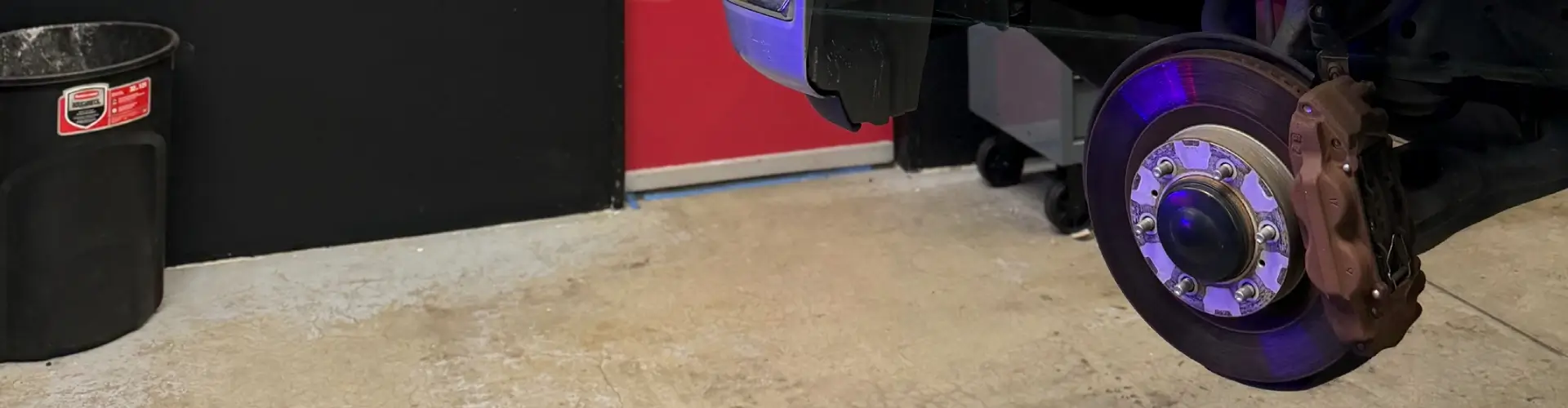
Understanding what's actually happening when you press your brake pedal helps you make informed decisions about maintenance and repairs. Your brake system operates through hydraulic pressure—when you push the pedal, it activates a master cylinder that forces brake fluid through lines to calipers at each wheel. Those calipers contain pistons that press brake pads against rotors, creating the friction that slows your vehicle. This seemingly simple slows your vehicle. This seemingly simple process involves numerous components that must work in precise coordination, and when any single element fails or degrades, it affects the entire system's performance. Modern vehicles also incorporate ABS (anti-lock braking systems) that prevent wheel lockup during emergency stops, adding electronic sensors and control modules to the traditional hydraulic setup.
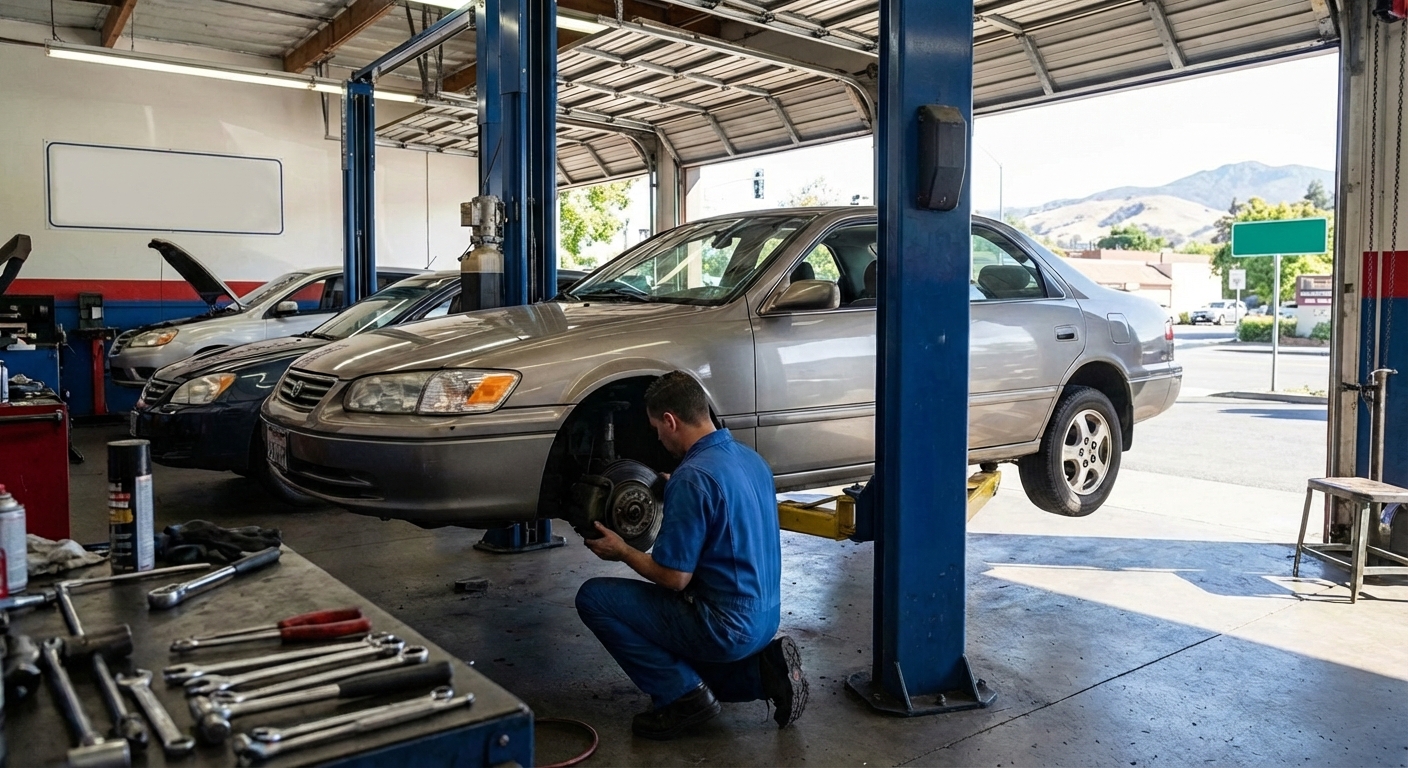
Each component has a specific lifespan and failure pattern that experienced technicians recognize. Brake pads wear gradually and predictably under normal conditions, typically lasting between 30,000 and 70,000 miles depending on driving habits and pad material. Rotors last longer but eventually develop surface irregularities or thickness variations that require resurfacing or replacement. Calipers can seize due to corrosion or contamination, causing uneven pad wear and reduced braking efficiency. Brake fluid degrades over time as it absorbs moisture, lowering its boiling point and potentially causing brake fade during demanding stops. When you bring your vehicle in for brake service, we evaluate all these components together rather than focusing on just the most obvious problem, because comprehensive assessment prevents return visits for related issues that were developing simultaneously.
Brake and Rotor Replacement Timing for Walnut Creek Conditions
Determining the right time for brake rotor replacement depends on several factors beyond simple mileage intervals. Pad thickness represents the most straightforward measurement—most pads should be replaced when they reach 3-4 millimeters of remaining material, though some drivers prefer replacing them slightly earlier to avoid any risk of damage to rotors. Rotor condition requires more nuanced evaluation, considering both thickness measurements and surface quality. Rotors have minimum thickness specifications stamped on their edges, and once they've been machined to near those limits, replacement becomes necessary even if the surface appears smooth. We also look for heat spots, cracks, or severe scoring that indicates replacement regardless of thickness measurements.
Driving patterns significantly influence replacement timing in ways that generic maintenance schedules don't capture. If you frequently drive in stop-and-go traffic along Treat Boulevard or regularly navigate the hills near Castle Rock Park, your brakes work harder than someone who primarily drives highway miles. Aggressive braking habits accelerate wear, while smooth, anticipatory driving extends component life. We've noticed that drivers who coast to stops whenever possible and avoid last-minute braking often get 20-30% more life from their pads compared to those who brake hard and late. During inspections, we consider your specific driving environment and habits when making replacement recommendations, ensuring you're not replacing components prematurely while also not pushing them beyond safe limits.
- Schedule brake inspections every 12,000 miles or annually, whichever comes first
- Replace brake pads when they reach 3-4mm thickness or show uneven wear patterns
- Resurface or replace rotors when they approach minimum thickness or show surface damage
- Flush and replace brake fluid every 2-3 years to maintain hydraulic system integrity
- Address any brake warning lights or unusual symptoms immediately rather than waiting for scheduled maintenance
These guidelines provide a framework, but individual circumstances always take precedence over generic schedules. A vehicle that's primarily driven short distances around downtown Walnut Creek might need more frequent service than one that logs highway miles, because short trips don't allow brake components to fully heat and cool through their optimal temperature cycles. Similarly, vehicles that sit unused for extended periods can develop corrosion issues that wouldn't affect daily drivers. We tailor our recommendations to your actual usage patterns rather than applying one-size-fits-all intervals, which is why we ask detailed questions about how and where you drive during every service visit.
Finding the Right Brake Shop in Walnut Creek for Your Needs
Not all brake shops approach repairs with the same philosophy or level of thoroughness, and finding one that aligns with your priorities makes a significant difference in both service quality and long-term costs. Some shops focus on speed and price, offering quick pad replacements without comprehensive system evaluation. Others take a more holistic approach, examining all brake components and related systems to identify developing issues before they become urgent. We believe the latter approach serves drivers better because it prevents surprise failures and allows you to plan repairs around your schedule and budget rather than dealing with emergencies. When you're evaluating a brake shop in Walnut Creek, consider how they communicate findings—do they show you the worn components and explain what's happening, or do they simply present a list of recommended services without context?
Transparency in pricing and recommendations builds the trust that makes long-term service relationships work. You should receive detailed explanations of what needs immediate attention versus what can wait, along with clear reasoning for each recommendation. We provide written estimates that break down parts and labor separately, and we're always willing to discuss alternative approaches if budget constraints require prioritizing certain repairs over others. For example, if your vehicle needs both pads and rotors but budget is tight, we can sometimes resurface rotors to extend their life temporarily while replacing the pads, then schedule rotor replacement for a few months later. This flexibility requires honest assessment of component condition and clear communication about the trade-offs involved in delaying certain work.
Find Us Locally in Walnut Creek
We proudly serve the entire Walnut Creek area, from the neighborhoods around Civic Park to the commercial districts along Ygnacio Valley Road. Use the map below to see exactly where we're located and how we can help with your brake repair needs throughout the community.
What Walnut Creek Drivers Ask About Brake Maintenance
How often should I have my brakes inspected if I primarily drive around Walnut Creek?
For local driving that includes a mix of highway commuting and city streets, we recommend brake inspections every 12,000 miles or once a year. If you frequently navigate hilly areas near the Mount Diablo foothills or spend significant time in stop-and-go traffic, consider inspections every 10,000 miles. These intervals catch developing issues before they compromise safety or lead to more expensive repairs, and they allow us to track wear patterns specific to your driving habits.
What's the difference between resurfacing rotors and replacing them entirely?
Resurfacing, also called machining or turning, removes a thin layer from the rotor surface to eliminate minor imperfections and restore smooth contact with brake pads. This works well when rotors have sufficient thickness remaining and only minor surface issues. Replacement becomes necessary when rotors are too thin to safely machine, have developed cracks or severe heat damage, or show warping that can't be corrected through resurfacing. We measure rotor thickness against manufacturer specifications during every brake service to determine which approach makes sense for your specific situation.
Can I replace just the front brakes if the rear ones still look good?
Yes, it's common to replace front brakes independently since they typically wear faster than rear brakes due to weight transfer during braking. However, we always inspect all four corners during service to ensure the rear brakes aren't developing issues that will require attention soon. If your rear brakes are close to their service limits, addressing everything together can save you a second service visit and potentially reduce overall labor costs, but there's no technical requirement to replace all four corners simultaneously if only the fronts need attention.
Your Trusted Partner for Brake Safety Throughout Walnut Creek
Maintaining reliable brakes isn't just about avoiding repair costs—it's about ensuring you can stop safely in any situation, whether you're navigating the parking structures around Broadway Plaza or making a sudden stop on Interstate 680. The brake system represents your vehicle's most critical safety feature, and treating it with appropriate attention protects both you and everyone else on the road. We've built our reputation in Walnut Creek by providing honest assessments, quality workmanship, and service that prioritizes your safety above all else. When you choose Brake Pro's for your brake repair needs, you're working with technicians who understand local driving conditions and how they affect your vehicle's specific requirements.
Every brake service we perform includes comprehensive inspection of all system components, clear communication about what we find, and recommendations prioritized by safety and urgency. We never pressure you into unnecessary services, and we're always willing to explain our reasoning and show you the components we're discussing. Whether you need routine brake caliper repair or you're dealing with more complex issues like hydraulic leaks or ABS problems, we have the expertise and equipment to diagnose and repair your system correctly the first time. Your brakes deserve attention from professionals who take pride in their work and stand behind every service they provide.
Don't wait until brake problems become emergencies or minor issues turn into expensive repairs. Schedule your brake inspection with Brake Pro's today or call 925-428-1213 to discuss your brake concerns with our knowledgeable team. We're here to keep Walnut Creek drivers safe with reliable brake service you can trust.