Caliper Repair & Replacement in Brentwood
Every time you press the brake pedal, calipers clamp the pads onto the rotors and bring your car to a stop. They’re the muscle behind your braking system, and when they start to fail, you feel it. Sometimes in ways that aren’t obvious at first. A dragging wheel, a car that pulls to one side, or a brake pedal that feels off can all point to caliper trouble. Ignore these signs, and you risk more than just a rough ride. For drivers around Brentwood, these symptoms can be especially concerning given local road conditions.
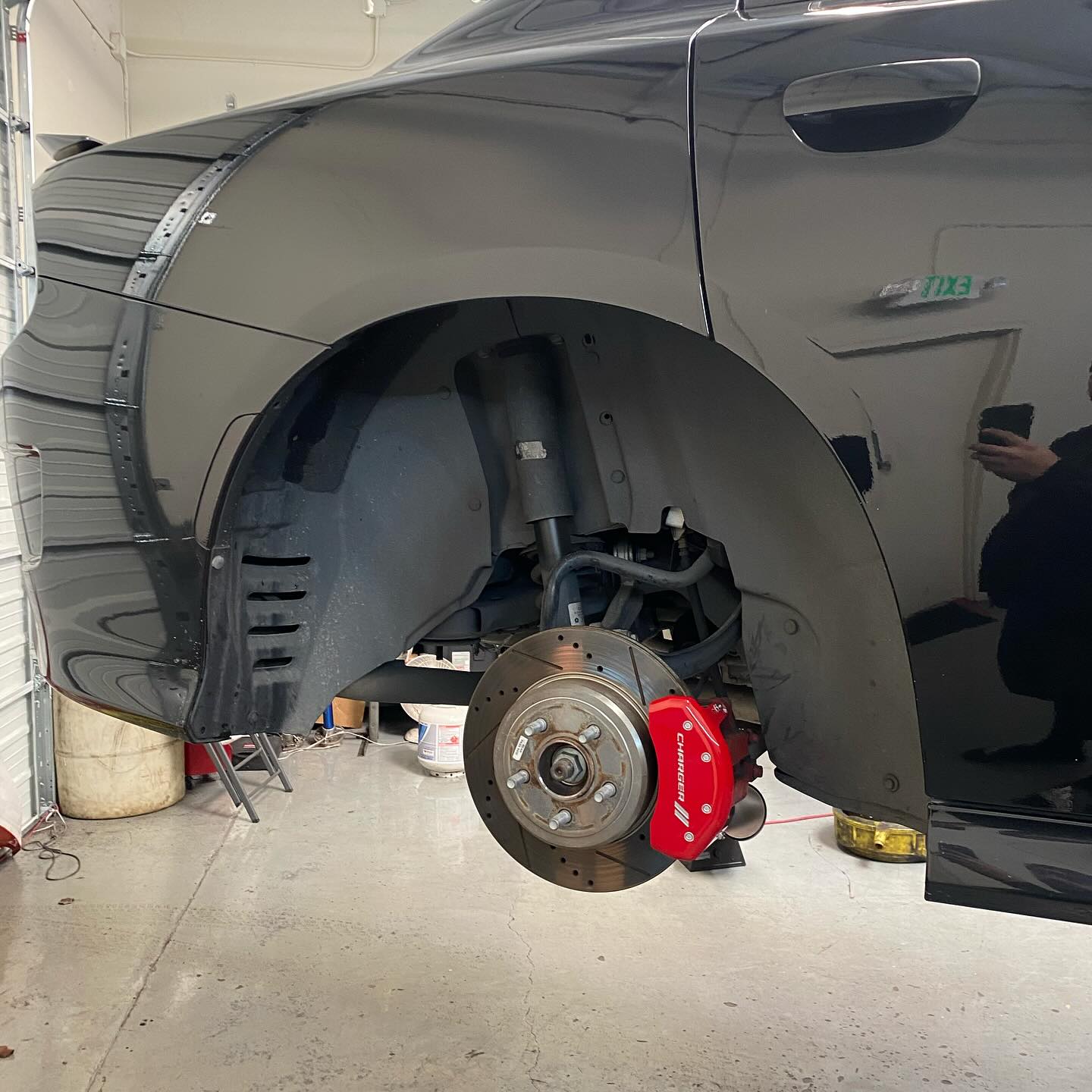
Calipers face constant abuse. Heat from braking, water from the road, and salt in winter all take their toll. Seals dry out and crack. Pistons seize. Fluid leaks out. Some calipers can be rebuilt if the damage is limited, but others need a full replacement. Acting early keeps repairs simple and costs down.
How We Spot Caliper Trouble Before It Gets Worse
Most drivers don’t hear a warning bell when a caliper starts to fail. Instead, the signs creep in. Maybe the car drifts when you brake, or you notice one wheel feels hotter than the rest after a short drive. Sometimes, the pedal feels soft or spongy. These aren’t quirks. They’re signals that something’s wrong.
- Pulling to One Side: The car veers during braking because one caliper isn’t releasing or grabbing evenly.
- Brake Pedal Feels Soft or Spongy: Air or fluid loss inside the caliper weakens pedal response.
- Fluid Leaking Near the Wheel: Puddles or wet spots around the tire often mean a caliper seal has failed.
- Burning Smell After Driving: A stuck caliper keeps pads pressed against the rotor, creating heat and odor you can’t miss.
- Uneven Tire Wear: One tire wears down faster because a dragging caliper creates constant friction.
When these symptoms show up, waiting only piles on the damage. What starts as a sticky piston can end with warped rotors, ruined pads, or a complete loss of braking on that wheel. We see it in Brentwood all the time. Drivers hoping the problem will go away, only to face a bigger repair bill later.
Why We Fix Calipers Fast to Protect Your Whole System
Letting a bad caliper linger doesn’t just mess with stopping power. It throws the entire brake system out of balance. When a caliper sticks, pads grind against the rotor nonstop. Heat builds. Pads and rotors wear out fast. Tires take a beating on one side, and fuel economy drops as the car fights extra resistance.
Brake fluid leaks add another layer of risk. Once a seal cracks, fluid escapes and air sneaks in. The pedal goes soft, and stopping distance grows. Lose enough fluid, and you lose braking on that wheel entirely. That’s a safety risk no one should take, especially on busy Brentwood streets.
Deciding Between Rebuild and Replacement
With calipers, not every problem calls for a new part. If the piston is stuck but the housing is solid, a rebuild can get you back on the road. We’ll strip it down, clean it, and fit new seals. But when the body is cracked, corroded, or leaking from more than one spot, replacement is the only real fix. Matching calipers on both sides keeps braking even, and some drivers opt for upgraded calipers for better performance.
- Caliper Rebuild: Best when the piston is stuck but the housing and bore are still solid.
- Full Replacement: Needed if the caliper body is damaged, corroded, or leaking in several places.
- Matched Pairs: Replacing both calipers on an axle keeps braking balanced and predictable.
- Upgraded Options: Performance calipers handle heat better and deliver stronger stops for demanding drivers.
We’ll lay out your options clearly. If a rebuild will last, we’ll do it. If not, we’ll recommend replacement. No patch jobs that leave you stranded a few months later. Just honest work that holds up.
What We Do During Caliper Service
When it’s time for caliper work, we start by lifting the car and removing the wheel. The brake line comes off, the old caliper comes out, and we check the rotor and pads for damage. If the rotor is scored or warped, we’ll resurface or replace it. Worn or uneven pads get swapped out as well.
After installing the new or rebuilt caliper, we reconnect the brake line and bleed the system to clear out any air. That step matters. Air in the lines means a weak pedal and poor stopping. Once everything’s tight, we test the pedal, check for leaks, and take the car for a short drive to confirm the fix. Most jobs wrap up in a few hours, and you leave with brakes that feel right and stop straight.
Why Waiting Costs More in the End
Putting off caliper repairs only makes things worse. A stuck caliper warps rotors, burns through pads, and chews up tires. The extra strain wears out the other wheels faster, turning a simple fix into a full brake overhaul. Leaking calipers are even riskier. Once enough fluid escapes, the pedal drops and braking power disappears. Brake fluid can also damage paint and suspension parts if it drips long enough.
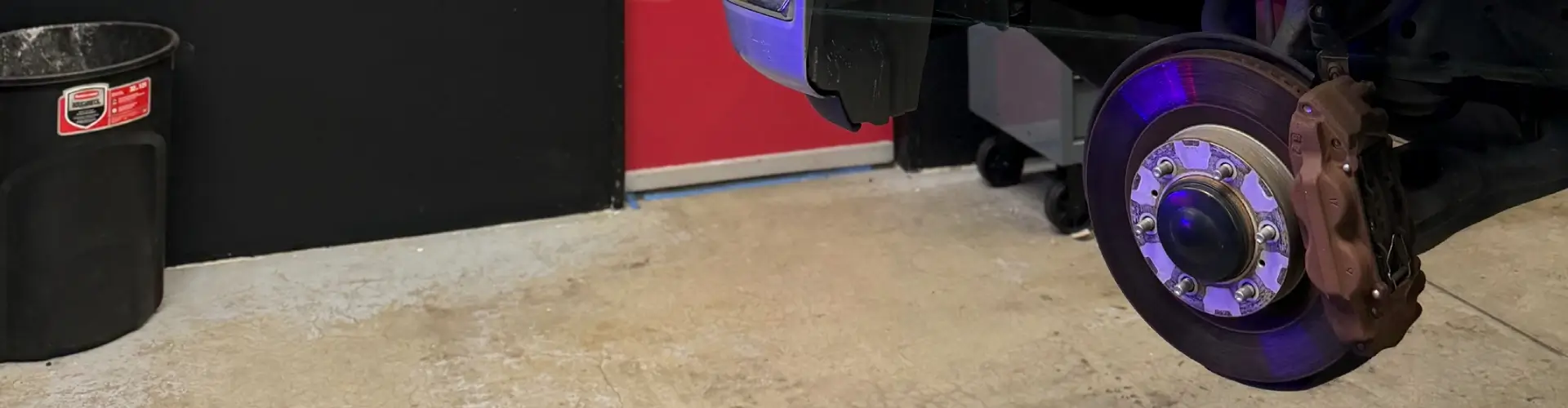
We’ve seen cars come in with a wheel locked solid, the rotor scorched blue, and the tire bald on one edge. The driver ignored the warning signs, hoping they’d go away. By the time they showed up, the repair cost had tripled. Acting early keeps your car safe and your wallet intact, especially for those commuting daily in Brentwood.
Let's Get Your Calipers Checked
If your brakes are pulling, dragging, or leaking, bring it in. Call Brake Pro's at 925-428-1213 or schedule an appointment and we'll take a look.