Brake Pad Replacement in Pittsburg, CA
Every stop takes a little more off your brake pads, and most drivers only notice when something feels off. Maybe the pedal sinks lower than usual, or a sharp squeal cuts through the cabin. Sometimes, it's a grinding sound that leaves no doubt. Worn pads don't just affect your car—they put everyone on the road at risk. That's why a thorough inspection and fresh pads matter every time, especially with the frequent stop-and-go traffic around Pittsburg.
How We Spot Brake Pad Trouble Before It Gets Worse
Brake issues rarely show up quietly. You might hear a squeal, feel a soft pedal, or notice the car takes longer to stop. Each sign points to pads that need attention, and catching them early keeps repairs simple.
- Squealing or Screeching Sounds: That high-pitched noise signals the wear indicator is scraping the rotor, warning you the pads are thin.
- Grinding or Metal-on-Metal Noise: When the pad material is gone, the backing plate digs into the rotor, making every stop harsher and more expensive to fix.
- Soft or Spongy Brake Pedal: A pedal that sinks or feels mushy often means the pads can't create enough pressure.
- Longer Stopping Distances: If you need more space to stop, the pads aren't gripping as they should.
- Vibration or Pulsing in the Pedal: Warped rotors or uneven pad wear can make the pedal shake under your foot.
These symptoms don't always show up alone. Sometimes the noise comes first, other times the pedal feels off before you hear anything. Ignoring them risks rotor damage or caliper trouble, turning a simple job into a bigger repair.
What Sets Our Brake Pad Replacement Apart
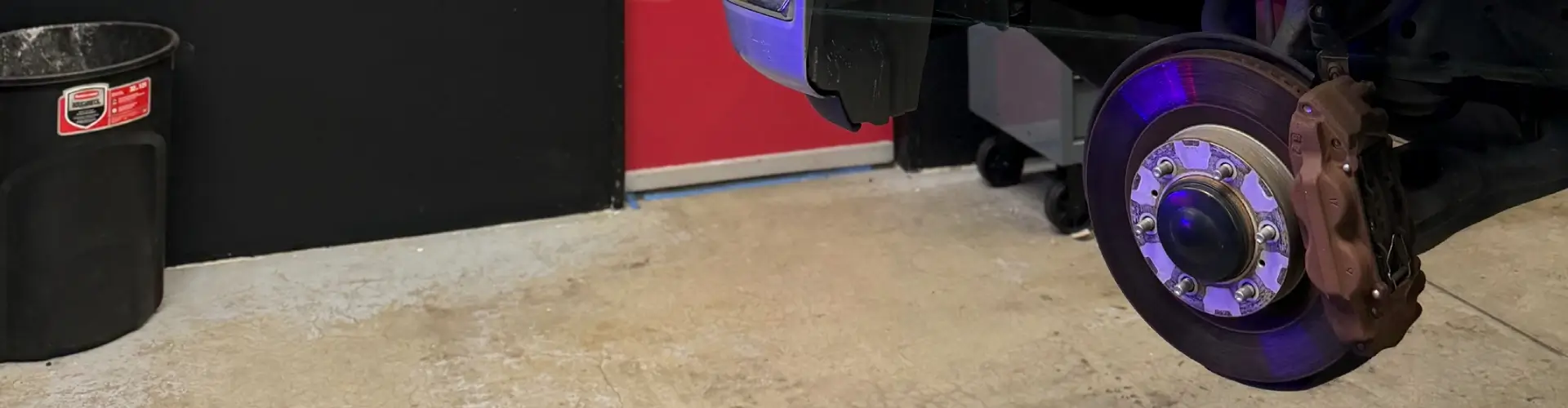
When we handle your brake pads, every step gets our full attention. The car goes on the lift, wheels come off, and we check pads, rotors, and calipers up close. Old pads come out, hardware gets inspected for rust or wear, and nothing goes back together unless it's right. If rotors are scored or too thin, you'll know before we move forward.
- Lift and Inspect: We raise the car and remove the wheels for a clear look at every component.
- Remove the Old Pads: Calipers come off, worn pads slide out, and hardware gets checked for hidden issues.
- Check the Rotors: Any scoring, warping, or thin spots get flagged before new pads go in.
- Install New Pads: Fresh pads, clean hardware, and the right torque on every bolt. No shortcuts.
- Test and Bed In: We pump the pedal, check for leaks, and make sure the brakes grab smoothly before you drive out.
Most jobs wrap up in about an hour. If rotors need work or calipers stick, it might take longer, but you'll always know what's happening and why.
Why Brake Pads Wear Out So Differently
Some drivers get 70,000 miles from a set of pads, while others need replacements at 25,000. The difference comes down to how and where you drive. City traffic, hills, and towing all burn through pads faster than steady highway miles. In Pittsburg, stop-and-go commutes along Highway 4 and Railroad Avenue mean more heat and friction, which shortens pad life. Softer pads run quieter but wear out sooner; harder pads last longer but can be noisier. The right choice depends on your habits and your car.
What We Check When Pads Wear Too Fast
When pads disappear quicker than expected, there's usually more going on. Sticking calipers, warped rotors, or worn hardware can all speed up wear. We look at the whole system, not just the pads, so you're not back in the shop every year for the same problem.
- Heavy Braking or Aggressive Driving: Hard stops heat up pads and wear them down in a hurry.
- Stop-and-Go Traffic: Frequent braking in Contra Costa County traffic puts extra strain on every set.
- Towing or Hauling: More weight means more force on the brakes, which eats through pads faster.
- Poor Quality Pads: Cheap pads might save money up front, but they don't last and can't handle heat.
- Sticking Calipers: A caliper that won't release keeps the pad pressed against the rotor, even when you're not braking.
Uneven or rapid wear always has a cause. We find it, fix it, and make sure your new pads last as long as they should for drivers in Pittsburg and nearby areas like Antioch, Bay Point, and Concord.
Helping You Choose the Right Pads for Your Driving
Every car and driver needs something different from their brakes. Some want quiet stops, others need pads that handle heat or heavy loads. We walk you through the options and match the pad to your needs.
- Ceramic Pads: Smooth and quiet, with less dust, but they cost more and may not grip as well in extreme heat.
- Semi-Metallic Pads: Handle high heat and heavy use, though they can be noisier and make more dust.
- Organic Pads: Soft and quiet, gentle on rotors, but they wear out faster and fade under hard braking.
- Performance Pads: Built for aggressive driving and high temperatures, but they can squeal and wear rotors faster.
For most daily drivers in Pittsburg, ceramic or semi-metallic pads strike the right balance between stopping power, noise, and durability. If you tow or drive a truck, semi-metallic pads handle the extra heat. For a quiet ride with less dust, ceramic is the way to go.
What Happens When You Book With Us
Arriving for brake pad replacement means a full inspection. Pad thickness, rotor shape, caliper movement, and brake fluid all get checked. If something else needs work, we explain it before touching a bolt. Once we know what's needed, we swap the pads, inspect hardware, and test everything before your car leaves the bay. If rotors need machining or replacement, we handle it on the spot. No waiting, no bouncing between shops. Our express service keeps you moving, and you leave knowing exactly what was done and what to watch for next.
Is It Time to Replace Your Brake Pads?
If your brakes are squealing, grinding, or just don't feel right, bring it in. Call Brake Pro's at 925-428-1213 or schedule an appointment and we'll get you sorted.