Blog
Can Worn Brake Pads End Up Damaging Your Rotors in Antioch?
Most drivers think brake pads are just about stopping power. Wear them down, swap them out. But your rotors see more than that — and if you don't, you're asking for expensive trouble. Pads may seem like the only thing that matters, but they leave a mark on your rotors every single time you hit the pedal. Especially if you're ignoring the warning signs or pushing past the point of safe wear.
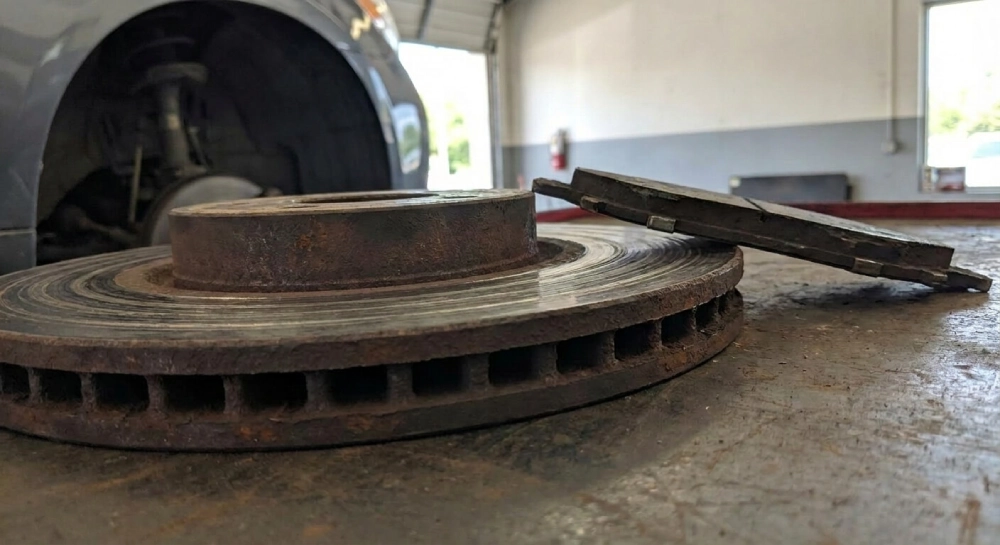
So here's the reality. If you're driving around Antioch with pads that are past their prime, that's a problem. Just don't treat those rotors like they're indestructible. Every mile should be tracked. Every noise needs attention. And every brake decision should be grounded in how the pads are performing — not just how the car feels when you're cruising down Highway 4.
When Pads Wear Down and Rotors Pay the Price
Nine times out of ten, brake pads wear gradually. You press the pedal, friction does its job — that's normal, not catastrophic. The system doesn't care how hard you brake, only how much material is left and whether metal's hitting metal.
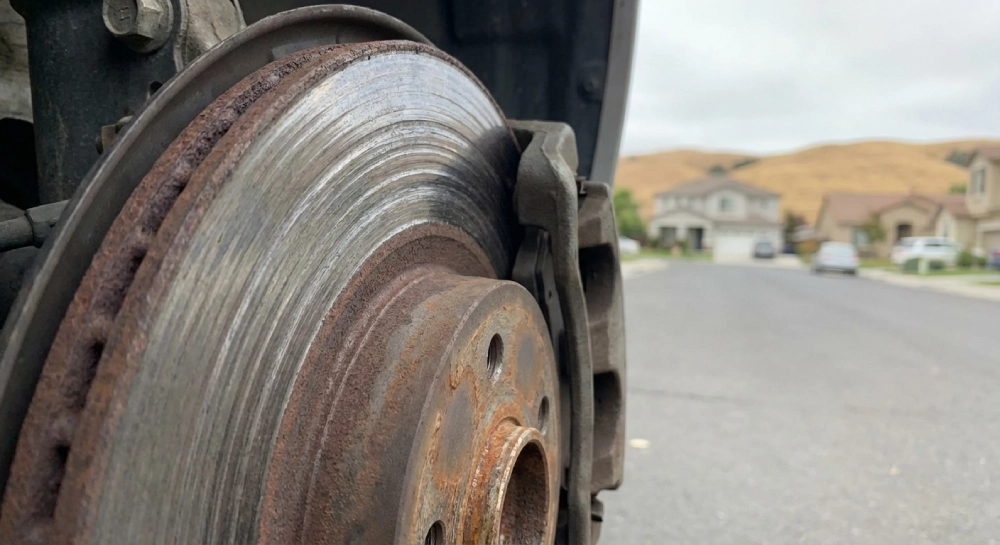
But if those pads go completely bare? Different story. Exposed backing plates can gouge your rotors, especially if the wear didn't get caught early or you kept driving through the grinding. We see this play out constantly in Antioch. Plenty of drivers think a little noise is no big deal — it is. And when rotors get scored, the shop expects to see resurfacing or replacement unless you caught it before the damage set in.
The Friction Material You Can't Ignore
You can't just replace the rotor and call it done — that's treating the symptom, not the cause. But the pad material? That's what keeps everything running smooth. Mechanics generally recommend monitoring the thickness on pads used to stop your car safely.
Here's where that matters most:
- Ceramic pads produce less dust and run quieter, but they wear differently depending on your driving style
- Semi-metallic pads handle heat better and last longer under heavy braking conditions
- Organic pads are softer on rotors but need replacement more frequently
- Performance pads grip harder but generate more rotor wear if you're not careful
- OEM pads are designed specifically for your vehicle's weight and braking profile
When Protection Stops Working
Want to keep your rotors intact? You'll need to prove the pads still have material — and that there's enough left to do the job.
Mechanics check three main indicators:
- Pad thickness is above the minimum safe level, usually around 3mm
- No metal backing plate is exposed or making contact with the rotor
- Wear is even across the pad surface, not lopsided or chunked out
Miss one of those, and the rotor takes the hit. Even if the brakes technically still slow you down. And if any of the pad wore unevenly? That section's already causing damage. No partial fixes for grooved rotors, even if the rest of the surface looks fine.
Antioch Drivers Hit This Wall Faster Than They Think
If you're commuting daily through stop-and-go traffic on Lone Tree Way or braking hard down Deer Valley Road, there's a reality check coming. Brake pads don't last forever, and Antioch driving conditions accelerate wear.
You'll need to track your mileage and listen for changes. Most pads give out between 25,000 and 70,000 miles depending on your habits and the pad type. Aggressive drivers or those hauling heavy loads will be on the lower end. Smooth operators might stretch it further — but nobody gets to ignore the squealer tabs when they start screaming.
Your Rotor Lifespan Depends on Your Habits
Want to avoid rotor replacement? Pay attention. You'll need more than a quick glance during an oil change to stay ahead of damage.
Here's what your maintenance routine should include:
- Visual inspection of pad thickness every 10,000 miles or twice a year
- Listening for squealing, grinding, or pulsing when you brake
- Checking for vibration through the pedal or steering wheel
- Measuring rotor thickness if you're past 50,000 miles on the original pads
- Documenting when pads were last replaced and what type was installed
If the shop comes back with bad news, they won't just take your word that the pads were fine last month. Mixing neglect with hope is one of the fastest ways to destroy a rotor. So if that grinding sound started last week and you've been putting off the appointment, you'd better have a good explanation when the estimate comes back triple what you expected.
Where Antioch Drivers Mess Up
Ignoring the Noise Until It's Too Late
Trying to convince yourself that squealing is just dust or moisture? The shop won't find that clever. Delayed maintenance can cost you real money or even create safety risks. Most drivers play it safe by getting inspections done regularly or bringing the car in at the first sign of trouble — and plenty stay on track by following common-sense brake care.
Assuming All Pads Wear the Same
Don't wait until one pad is metal and the other still has material to figure out you've got a caliper problem. If wear is uneven, something else is wrong. If you miss that, you're replacing rotors for no reason. If you ignore it, you risk pulling to one side under hard braking. Check all four corners. It's tedious. It works.
Skipping the Rotor Measurement
If your pads are shot and the rotors look scored, that's a judgment call. If the shop didn't measure thickness — or just didn't tell you — the rotor may be too thin to resurface. Guessing costs money. Measuring takes two minutes. That's what brake specialists are for.
Common Questions Antioch Drivers Ask
Can I just replace the pads and leave the rotors alone
The pads? Sure, if the rotors aren't damaged. But if there's scoring, warping, or thickness below spec, new pads won't fix it. That's not a cost you can skip — it's a safety issue that needs addressing now.
How do I know if my rotors are damaged
If you feel pulsing through the pedal, hear grinding, or see visible grooves on the rotor surface, they're compromised. A shop can measure thickness and check for warping. Don't guess on this one.
Do I need to replace rotors every time I do pads
Not always. If the rotors are still thick enough and the surface is smooth, you can reuse them. But if they've been resurfaced before or you're close to the minimum thickness, replacement makes more sense than gambling.
When to Get a Professional Opinion
If your braking feels off, makes noise, or you're past 40,000 miles on the original pads, you're in territory where DIY gets risky.
A brake specialist helps you:
- Measure pad thickness and rotor condition accurately
- Identify whether rotors can be resurfaced or need replacement
- Spot uneven wear that points to caliper or suspension issues
- Install the right pad type for your driving style and vehicle
- Keep your stopping power reliable and your repair costs predictable
It's not just about avoiding a big bill this year. It's about building solid maintenance habits that keep your car safe and dependable for the long haul. If you need fast brake service, there are options that won't leave you waiting all day.
Stopping Power With No Surprises
Replacing brake pads isn't the hard part. Catching wear before it trashes your rotors — that's where Antioch drivers get caught off guard. There's no excuse for ignoring the warning signs when the fix is straightforward. But there's also no forgiveness when you let metal grind metal for weeks and act surprised at the estimate. Your rotors depend on your pads, and your safety depends on both. Don't wait for the grinding to make the decision for you.
Let's Keep Your Brakes Road-Ready
We know how important it is to stay ahead of brake issues before they turn into costly repairs. If you're hearing noises or just want peace of mind about your stopping power, let's get your car checked out by a team that understands Antioch roads. Give us a call at 925-428-1213 or schedule an appointment and we'll help you drive with confidence again.
‹ Back
Recent Posts
-
-
What Causes Brake Pads in Antioch to Wear Unevenly?
May 18, 2026
-
-
Do Short, Frequent Trips Wear Brakes Faster in Antioch?
April 20, 2026
-
Why Your Brake Pedal in Antioch Might Feel Soft
April 6, 2026