

Blog
Do Short, Frequent Trips Wear Brakes Faster in Antioch?
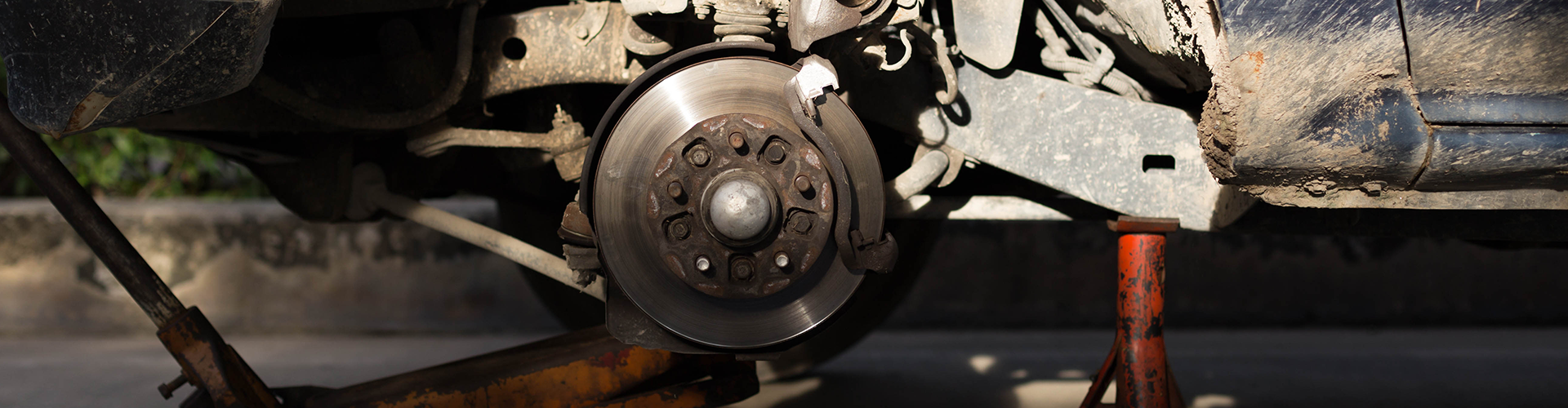
Most drivers think brake wear is just about mileage. Rack up the miles, replace the pads. But the reality is messier than that — and if you're not paying attention, you're burning through components faster than you think. Short trips around Antioch aren't just inconvenient. They're a grind on your braking system, especially when you're stopping every few blocks.
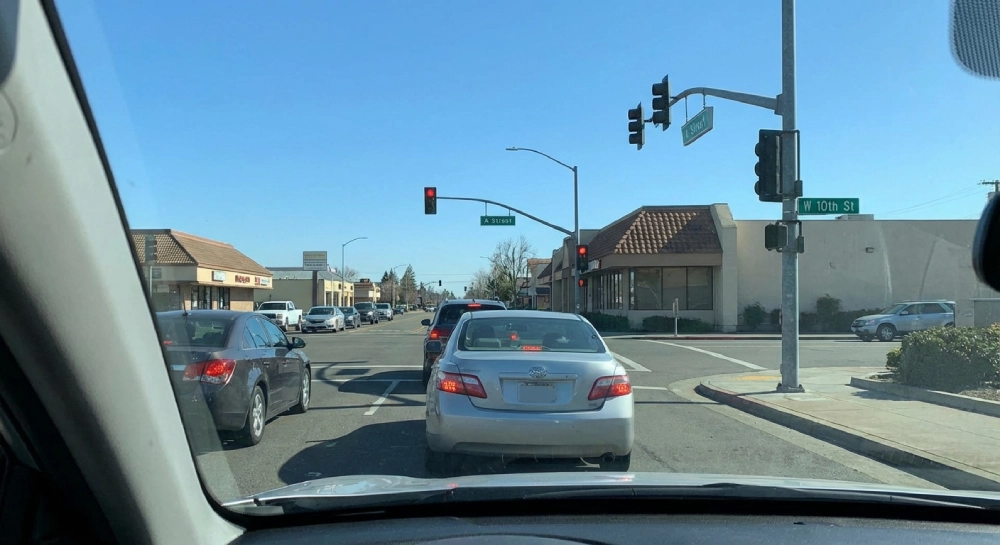
Here's what matters. If you're running errands, dropping off kids, or bouncing between meetings across town, your brakes are working overtime. Every red light is friction. Every stop sign is heat. And every cool-down period you skip? That's wear you can't get back. The question isn't whether short trips hurt your brakes — it's how much, and what you're going to do about it.
Stop and Go Adds Up Fast
Brakes don't care how far you drove. They care how many times you used them. Short trips mean constant engagement — slowing from 35 to zero, then back up again. That cycle repeats at every intersection, every school zone, every parking lot entrance. And in Antioch, where residential streets feed into commercial strips and traffic signals dot every major road, you're hitting the pedal more than you realize.
The problem compounds when your brakes don't get time to cool. Heat builds with each stop, and if you're making another stop two minutes later, that heat never dissipates. Over time, this accelerates brake pad replacement needs and can warp rotors. It's not dramatic. It's cumulative. And it sneaks up on drivers who assume their "low mileage" means their brakes are fine.
City Streets Hit Harder Than Highways
Highway driving is easy on brakes. You cruise at a steady speed, maybe tap the pedal once or twice over ten miles. City driving? That's a different animal. Antioch's layout — with its mix of residential zones, shopping centers, and school traffic — means you're braking constantly. Even a three-mile trip can involve a dozen stops.
Compare that to a highway commute where you might brake twice in twenty miles. The difference in wear is massive. And if most of your driving happens within city limits, your brake pads are taking a beating that mileage alone won't reflect. The odometer might say 30,000 miles, but your brakes might feel like 50,000.
What Else Drives Wear Beyond Trip Length
Short trips are a major factor, but they're not the only one. Your driving style, vehicle load, and component quality all play a role. Aggressive braking — slamming the pedal at the last second — generates more heat and friction than gradual stops. Carrying extra weight, whether it's cargo or passengers, increases the force your brakes need to apply.
Then there's the quality of the parts themselves. Cheap brake pads wear faster and perform worse under heat. Antioch's climate is mild, but dust and occasional rain can still affect braking performance. If you're running budget components and driving hard, you're asking for trouble.
- Hard braking from higher speeds creates more heat and faster wear
- Heavy loads increase the strain on pads and rotors
- Low-quality brake components degrade quicker under city conditions
- Dust and moisture can reduce friction efficiency over time
- Frequent short trips prevent proper cool-down between stops
How to Stretch Brake Life Without Changing Your Routine
You can't avoid short trips entirely. But you can drive smarter. Anticipate stops instead of reacting to them. If you see a red light ahead, ease off the gas early and coast. That reduces the force needed when you finally brake. Combine errands into one trip instead of three separate ones. Fewer starts mean fewer stops.
Regular maintenance is non-negotiable. Get your brakes inspected at least once a year, more if you're driving daily in stop-and-go traffic. Catching wear early means replacing pads before they damage rotors. And when it's time to replace parts, don't cheap out. Quality pads designed for city driving will outlast bargain options every time.
- Coast to a stop instead of braking hard at the last moment
- Consolidate trips to reduce total stops throughout the day
- Schedule annual brake inspections, or more often if you drive frequently
- Invest in quality pads and rotors built for urban conditions
- Remove unnecessary weight from your vehicle to lighten the load
Warning Signs You're Overdue
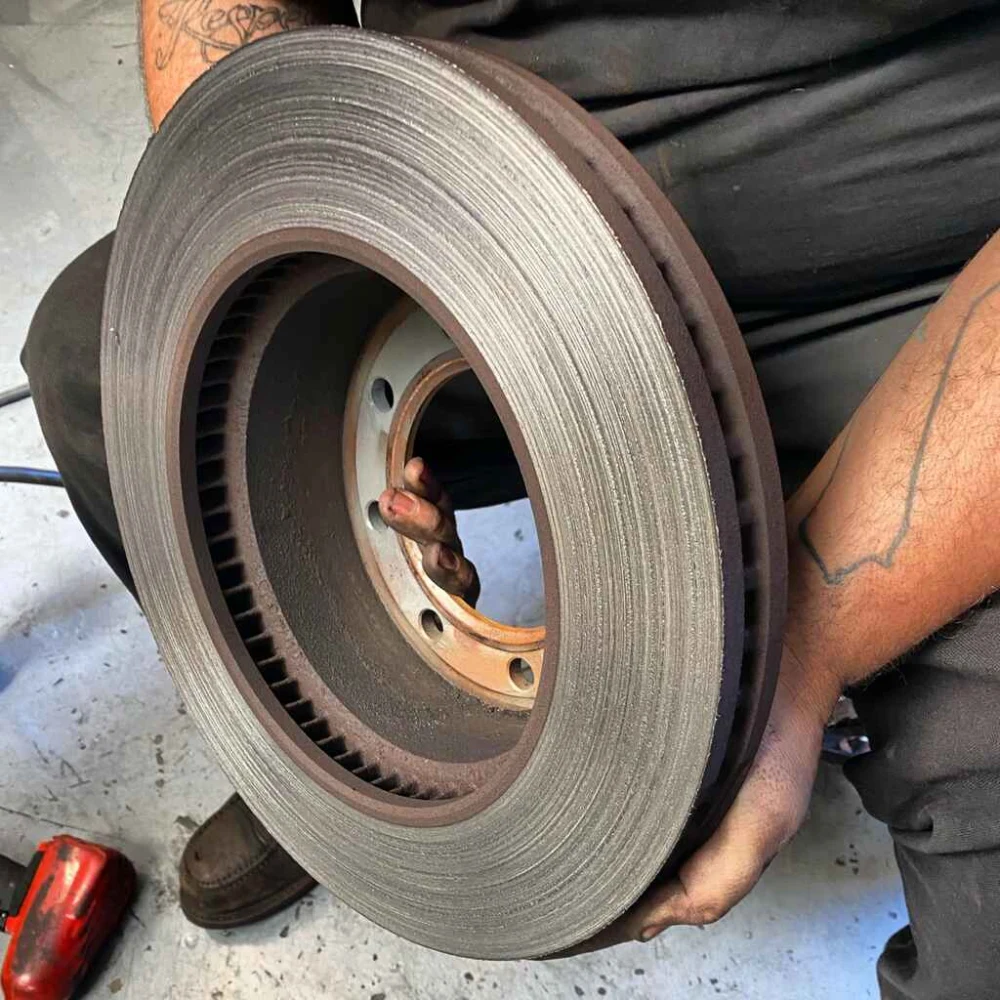
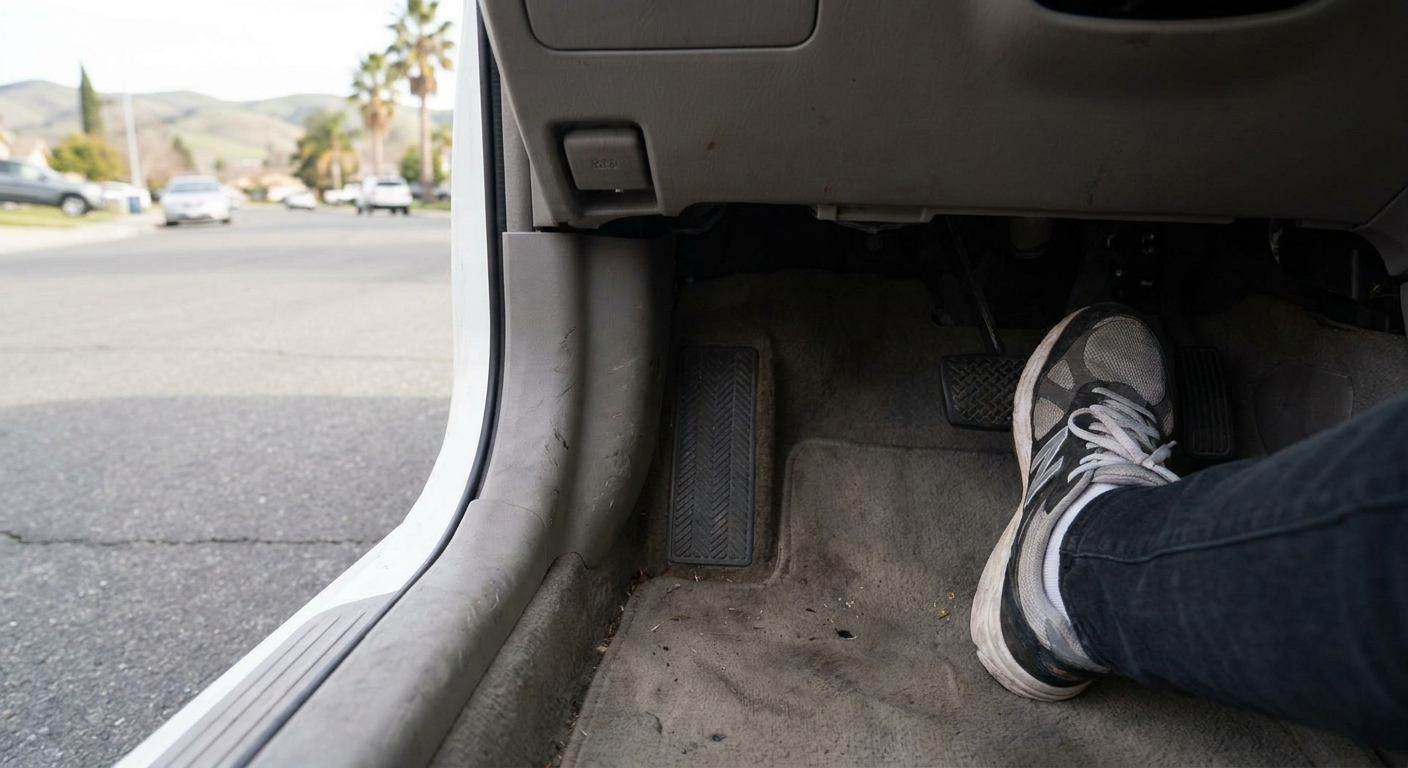
Your brakes will tell you when they're struggling. Squealing or grinding noises mean the pads are worn down, sometimes to the point where metal is scraping metal. A spongy or soft pedal indicates air in the lines or failing hydraulics. Reduced stopping power — where you need more distance to come to a complete stop — is a red flag that something's wrong.
If you notice any of these symptoms, don't wait. Get them checked immediately. In Antioch, where short trips are the norm, it's easy to assume low mileage means healthy brakes. But wear doesn't follow mileage — it follows use. And if you're stopping twenty times a day, your brakes are aging faster than the odometer suggests.
- Squealing or grinding sounds during braking
- Spongy or soft brake pedal feel
- Longer stopping distances than usual
- Vibration or pulsing when applying the brakes
- Dashboard warning lights related to the braking system
Maintenance Schedules Should Reflect Reality
Most manufacturers recommend brake inspections based on mileage intervals. But if you're driving short trips in Antioch, those intervals might not match your actual wear. A driver who racks up 15,000 miles on the highway will have healthier brakes than someone who drives 10,000 miles in the city. The difference is in how those miles were driven.
Adjust your maintenance schedule to reflect your driving habits. If you're making multiple short trips daily, inspect your brakes more frequently. Don't wait for the squealing to start. By then, you've already lost pad material and possibly damaged the rotors. Proactive checks save money and keep you safe. For drivers in nearby areas, we also provide brake services in Brentwood, brake services in Concord, and brake services in Pittsburg.
- City drivers should inspect brakes more often than highway commuters
- Don't rely solely on mileage-based service intervals
- Proactive inspections catch wear before it becomes expensive
- Damaged rotors cost more to replace than worn pads alone
- Frequent short trips justify more aggressive maintenance schedules
Quality Parts Make a Measurable Difference
Not all brake pads are created equal. Ceramic pads handle heat better and produce less dust. Semi-metallic pads offer strong stopping power but can be noisier. Organic pads are quieter but wear faster under heavy use. If you're driving short trips in Antioch, ceramic or semi-metallic options are your best bet. They're built to handle the heat cycles that come with frequent stopping.
Rotors matter too. Cheap rotors warp under heat, leading to vibration and uneven wear. Invest in quality brake rotor service that matches your driving conditions. It's not about spending more for the sake of it — it's about matching the component to the job. And in a city environment, that job is demanding.
- Ceramic pads handle heat better and produce less dust
- Semi-metallic pads offer strong stopping power for city driving
- Organic pads wear faster under frequent braking conditions
- Quality rotors resist warping and last longer under heat stress
- Matching components to driving conditions extends overall brake life
Short Trips Aren't Going Anywhere
We're not suggesting you stop running errands or avoid short drives. That's not realistic. But understanding how those trips affect your brakes changes how you approach maintenance. It's not about mileage. It's about use. And in Antioch, where stop-and-go is the default, your brakes are working harder than you think. Drive smart, inspect often, and don't wait for the grind to tell you something's wrong.
Let’s Keep Your Brakes Ready for Antioch’s Streets
We know how demanding city driving can be on your brakes, especially with all those short trips around Antioch. Staying ahead of wear keeps you safe and saves you money in the long run. If you’re noticing any warning signs or just want peace of mind, let’s make sure your brakes are up to the challenge. Give us a call at 925-428-1213 or schedule an appointment today so we can help you drive with confidence on every stop and go.
‹ Back
Recent Posts
-
-
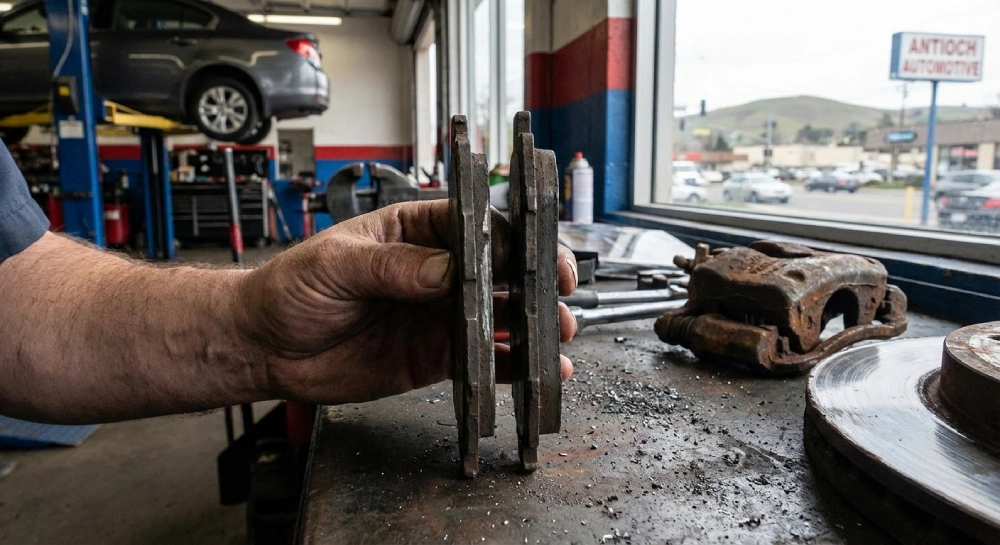
What Causes Brake Pads in Antioch to Wear Unevenly?
May 18, 2026
-
-
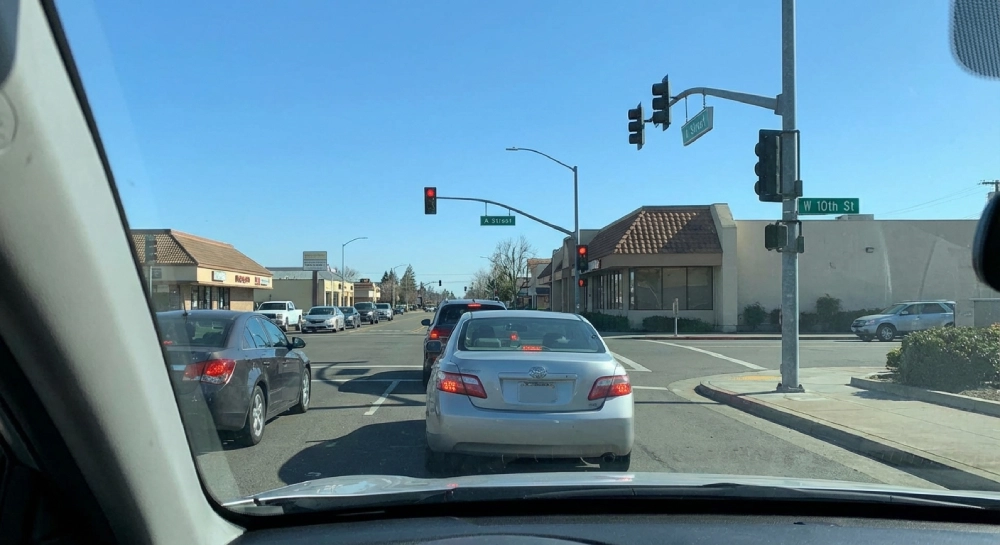
Do Short, Frequent Trips Wear Brakes Faster in Antioch?
April 20, 2026
-
Why Your Brake Pedal in Antioch Might Feel Soft
April 6, 2026