Blog
What It Means When Brake Fluid in Antioch Turns Dark
Most drivers in Antioch think brake fluid is just another thing under the hood. Something you check once in a while, maybe. But when that fluid starts looking like old coffee instead of fresh amber, your braking system is trying to tell you something. And if you're not listening, you're gambling with stopping power every time you hit the pedal.
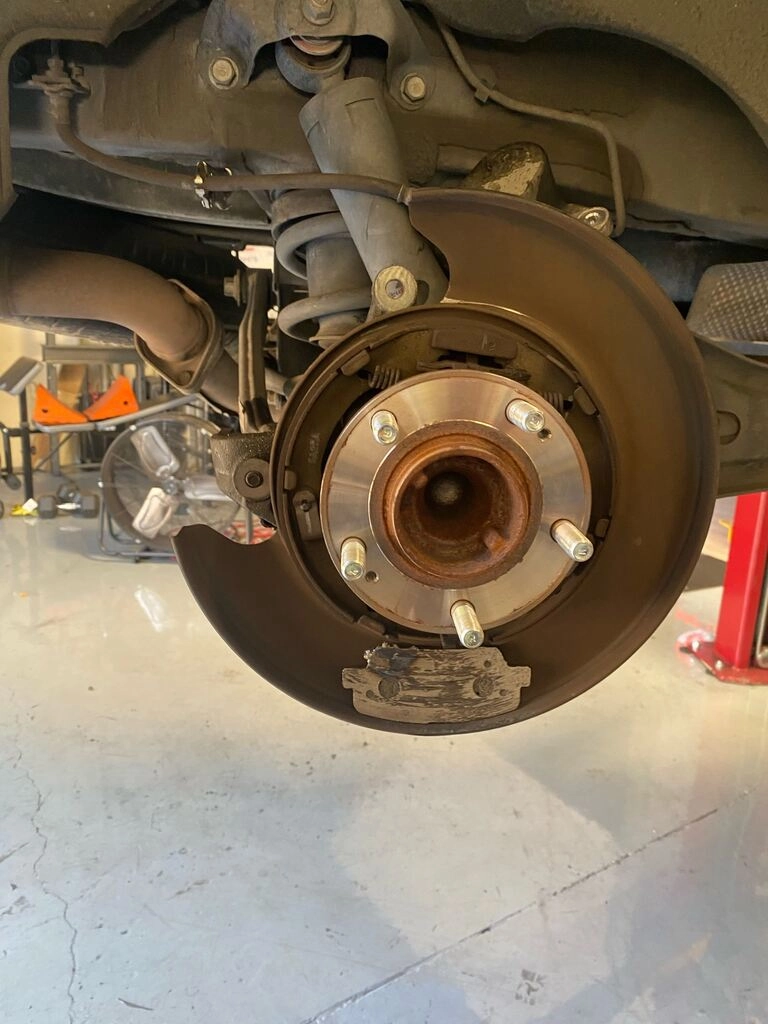
Fresh brake fluid has a job to do. It transfers force from your foot to the brake pads, turning pressure into stopping power. But it doesn't stay fresh forever. Heat, moisture, and time all take their toll. When the color shifts from clear to dark, that's not just cosmetic. That's contamination. And contamination means your brakes aren't working the way they should.
The Fluid Absorbs More Than Pressure
Brake fluid is hygroscopic. That means it pulls moisture straight out of the air. Every time temperatures swing in Antioch, every time humidity climbs, that fluid is soaking it up. And moisture doesn't just sit there quietly. It lowers the boiling point, corrodes metal components, and turns the fluid murky.
The darker the fluid gets, the more water it's holding. And the more water it holds, the less effective your brakes become under heat. That's a problem when you're coming down a hill or stuck in stop-and-go traffic. The fluid can't handle the temperature spike, and your pedal starts feeling soft. That's not a warning you want to ignore.
Contaminants Build Up Over Time
Brake systems aren't sealed off from the world. As components wear down, tiny particles break loose. Rubber seals degrade. Metal lines corrode. All of that debris ends up floating in your brake fluid, turning it darker with every mile.
Here's what's usually mixing in there:
- Rubber particles from deteriorating seals and hoses
- Metal shavings from corroded brake lines or calipers
- Dirt and grime that sneak in through worn caps or fittings
- Oxidized fluid that's broken down from repeated heat cycles
- Moisture that accelerates rust and internal corrosion
Heat Breaks Down What's Left
Every time you brake, you're generating heat. Hard stops, heavy loads, long descents—all of that pushes your brake fluid to its limits. Over time, that heat causes the fluid to oxidize and lose its chemical stability. The result? A darker color and reduced performance.
Oxidized fluid doesn't transfer pressure as cleanly. It can foam under stress, create air pockets, and make your pedal feel inconsistent. If you've ever felt your brakes go spongy after a long drive, that's often the fluid failing to do its job. And in Antioch's varied terrain, that's a risk you can't afford to take.
What Happens When You Ignore It
Dark brake fluid isn't just an aesthetic issue. It's a red flag that your braking system is compromised. And the longer you wait, the worse it gets. Contaminated fluid accelerates wear on every component it touches.
Here's what you're risking:
- Corroded brake lines that can leak or rupture
- Damaged calipers that stick or fail to release properly
- Master cylinder wear that leads to total brake failure
- Longer stopping distances that put you and others at risk
- Expensive repairs that could have been avoided with a simple flush
When to Flush and Replace
Most manufacturers recommend changing brake fluid every two to three years. But that's a baseline. If you're driving in Antioch's heat, dealing with frequent stops, or putting serious miles on your vehicle, you might need to do it sooner. The fluid doesn't care about your schedule. It degrades on its own timeline.
Check your owner's manual for the recommended interval. Then actually follow it. If the fluid looks dark or murky when you pop the reservoir cap, don't wait for the next service. Get it flushed. A brake fluid replacement is cheap insurance compared to what happens when your brakes fail.
What a Proper Flush Involves
A brake fluid flush isn't just topping off the reservoir. It's a complete system purge. A mechanic will remove all the old, contaminated fluid and replace it with fresh stock. That means bleeding each brake line, clearing out debris, and making sure no air pockets are left behind.
Here's what should happen during the service:
- Old fluid is extracted from the master cylinder and reservoir
- Each brake line is bled individually to remove trapped contaminants
- Fresh fluid is added and circulated through the entire system
- The mechanic checks for leaks, corrosion, or damaged components
- Final testing ensures the pedal feels firm and responsive
Don't Wait for the Pedal to Go Soft
By the time you feel a difference in your brakes, the damage is already underway. A spongy pedal, longer stopping distances, or a grinding noise—those are all signs that contaminated fluid has been eating away at your system for a while. The smart move is to catch it early.
Pop the hood every few months and check the fluid yourself. If it's dark, get it serviced. If it's been more than two years since your last flush, schedule one. And if you're putting your vehicle through heavy use in Antioch's hills and traffic, don't stretch those intervals. Your brakes are the one system you can't afford to gamble with.
Keep Your Stopping Power Clean
Brake fluid doesn't announce its problems with a dashboard light. It just quietly degrades until something goes wrong. Dark fluid is your early warning system. It's telling you that moisture, heat, and contamination have taken hold. And the fix is straightforward—flush it out, replace it, and get back to reliable stopping power.
We've seen too many drivers in Antioch wait until their brakes feel off before they take action. By then, they're looking at caliper replacements, line repairs, or worse. A simple fluid change could have saved them hundreds of dollars and a lot of stress. Don't be that driver. Check your fluid. Know what fresh looks like. And when it turns dark, handle it before it handles you. If you need fast, reliable service, consider our 1-hour express brake service to get back on the road quickly. We also serve drivers in nearby areas including Brentwood, Pittsburg, and Concord.
Let’s Keep Your Brakes Ready for Anything
We know how important it is to trust your brakes every time you drive through Antioch. If your brake fluid is looking dark or you’re overdue for a flush, let’s take care of it before it becomes a bigger issue. Give us a call at 925-428-1213 or schedule an appointment today so we can help you stay safe and confident on the road.
‹ Back
Recent Posts
-
-
What Causes Brake Pads in Antioch to Wear Unevenly?
May 18, 2026
-
-
Do Short, Frequent Trips Wear Brakes Faster in Antioch?
April 20, 2026
-
Why Your Brake Pedal in Antioch Might Feel Soft
April 6, 2026