Blog
Why Your Brake Pedal in Antioch Might Feel Soft
Your brake pedal shouldn't feel like a sponge. If it does, you've got a problem that goes beyond inconvenience — you're looking at a safety risk that needs attention now. Most drivers in Antioch don't think twice about their brakes until something feels off. And by then, the damage is already underway. A soft pedal isn't just annoying. It's a signal that your hydraulic system is compromised, your stopping power is weakened, and your margin for error just got a lot thinner.
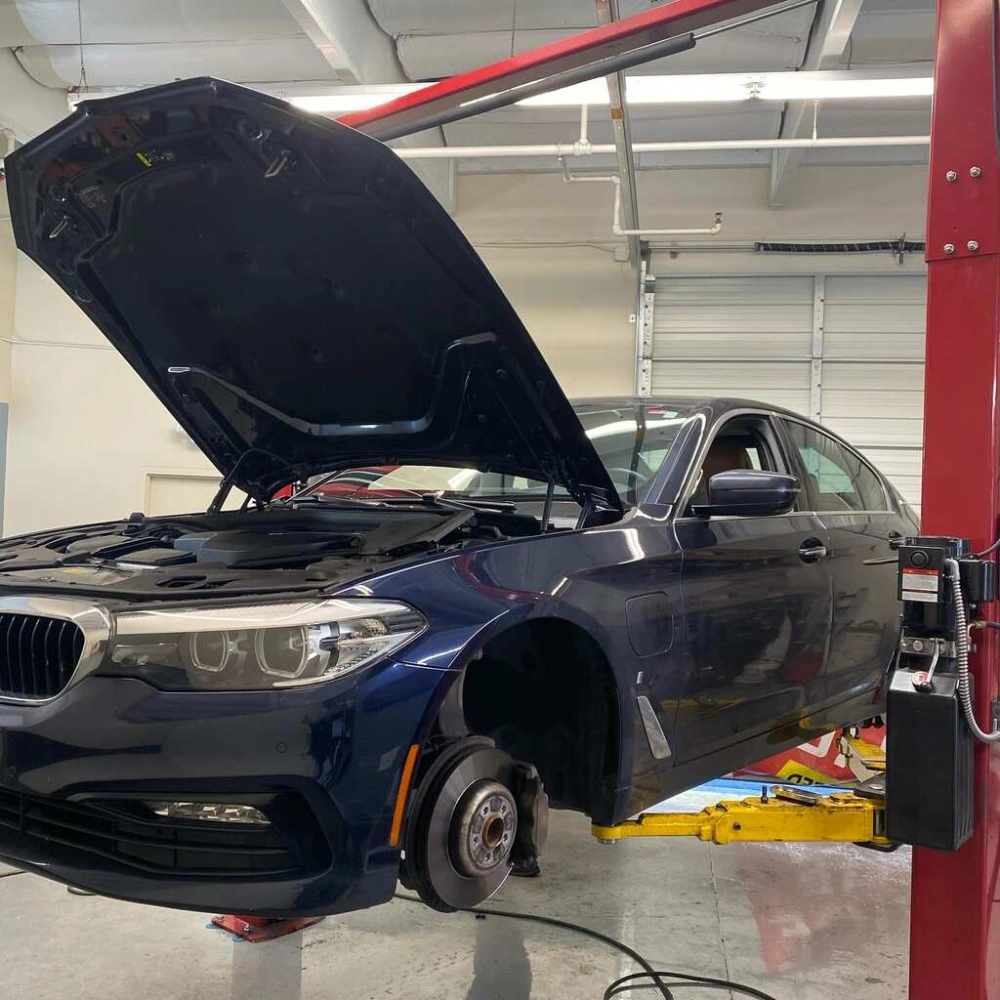
We're not talking about a minor quirk you can ignore until your next oil change. This is the kind of issue that shows up when you need your brakes most — merging onto Highway 4, navigating school zones on Deer Valley Road, or making a sudden stop because someone cut you off. If the pedal sinks too far or feels mushy underfoot, you're already behind the curve. Here's what's likely happening and what you need to do about it.
Air Trapped Where It Shouldn't Be
Brakes rely on hydraulic pressure to work. Fluid doesn't compress — that's the whole point. But air does. And when air sneaks into your brake lines, every press of the pedal squeezes that bubble instead of transferring force to the calipers. The result? A pedal that feels soft, travels too far, and doesn't deliver the bite you expect.
Air gets in through leaks, sloppy bleeding during maintenance, or degraded seals that let moisture creep into the system. Once it's there, it doesn't just go away on its own. You'll need the lines bled properly by someone who knows what they're doing. And if the air came from a leak, that leak needs to be found and fixed — or you're just buying time until the next failure.
Fluid Leaks Drain Your Stopping Power
Brake fluid is the lifeblood of your hydraulic system. Lose enough of it, and you lose pressure. Lose pressure, and your pedal goes soft. Leaks can happen at the master cylinder, along the brake lines, at the calipers, or even at the wheel cylinders if you're running drum brakes in the rear.
Antioch's heat doesn't help. High temperatures accelerate fluid degradation, and old fluid is more likely to leak past worn seals. If you're topping off your reservoir every few weeks, you're not solving the problem — you're masking it. Check under your car for wet spots near the wheels or along the frame. If you see fluid pooling or dripping, that's your answer. And if you don't see anything obvious, a pressure test will tell you where it's going.
Worn Components Change the Feel
Brake pads and shoes wear down over time. That's normal. But when they get too thin, the caliper pistons have to extend further to make contact with the rotor or drum. That extra travel translates to a pedal that feels softer and sits lower than it used to.
You might also notice longer stopping distances or a grinding noise when you brake. Both are signs that you've waited too long. Pads should be replaced before they hit the wear indicators — not after. If you're already hearing metal-on-metal, you're not just looking at new pads. You're looking at resurfaced or replaced rotors too. And that's a bigger bill than it needed to be.
The Master Cylinder Might Be Failing
The master cylinder is what generates the hydraulic pressure that makes your brakes work. When it starts to fail, you lose that pressure — and the pedal goes soft. Internal seals can wear out, allowing fluid to bypass the piston instead of pushing it through the lines. Or the cylinder itself can develop cracks or corrosion that let fluid leak out.
A failing master cylinder often shows up as a pedal that sinks slowly to the floor when you hold steady pressure. If that's happening, don't keep driving. You're one panic stop away from a pedal that goes all the way down with nothing to show for it. Replace the master cylinder, bleed the system, and move on with your life — safely.
What Antioch Drivers Need to Watch For
Antioch's roads throw a lot at your braking system. Stop-and-go traffic on Lone Tree Way. Quick stops near Deer Valley High. Highway merges that demand confidence in your stopping power. And the heat — especially in summer — puts extra stress on brake fluid and seals.
Here's what makes a soft pedal worse in this area:
- High temperatures degrade brake fluid faster, lowering its boiling point and increasing the risk of vapor lock
- Frequent stops in traffic generate heat that can warp rotors and accelerate pad wear
- Moisture from winter rain can corrode brake lines and introduce water into the hydraulic system
- Dust and debris from construction zones can clog calipers and cause uneven braking
- Older vehicles common in the area may have original brake components that are overdue for replacement
Steps to Take When the Pedal Feels Off
Don't wait for the problem to solve itself. It won't. If your brake pedal feels soft, here's what you need to do — in order.
First, check your brake fluid level. Pop the hood, locate the reservoir, and see where the fluid sits. If it's low, top it off with the correct type for your vehicle. But understand this: low fluid usually means a leak. Topping it off buys you time to get to a shop — it doesn't fix the underlying issue.
- Look for visible leaks under the car, especially near the wheels and along the brake lines
- Pump the brake pedal a few times to see if pressure builds — if it does, air is likely in the system
- Test the pedal by holding steady pressure — if it sinks slowly, the master cylinder may be failing
- Schedule an inspection with a mechanic who can diagnose the root cause, not just patch the symptoms
- Avoid heavy braking or highway speeds until the issue is resolved — your stopping distance is compromised
Prevention Beats Panic Stops
Most brake problems don't show up overnight. They build over time — through neglect, deferred maintenance, or just normal wear. The good news? You can catch them early if you're paying attention.
Have your brake fluid flushed every two to three years, or as recommended by your vehicle's manufacturer. Inspect your brake pads and rotors during routine service. Listen for unusual noises. Feel for changes in pedal response. And if something feels off, don't wait until it gets worse. A soft pedal today can turn into no pedal tomorrow — and that's not a gamble worth taking.
- Replace brake fluid before it absorbs too much moisture and loses effectiveness
- Inspect brake lines for rust, cracks, or signs of wear, especially on older vehicles
- Check pad thickness regularly and replace them before they hit the wear indicators
- Test your brakes after any major service to ensure proper bleeding and pressure
- Keep an eye on your dashboard — a brake warning light is never something to ignore
When to Call a Pro
If you're not sure what's causing the soft pedal, don't guess. Brakes aren't the place to wing it. A qualified mechanic can run a pressure test, inspect the hydraulic system, and pinpoint the issue in minutes. They'll check for leaks, test the master cylinder, bleed the lines if needed, and make sure your pads and rotors are in good shape.
And if you're dealing with multiple symptoms — soft pedal, warning lights, grinding noises, or pulling to one side — you're looking at a system that needs more than a quick fix. Get it checked. Get it done right. And get back on the road with brakes you can trust.
- A mechanic can identify leaks you might miss, especially internal ones in the master cylinder
- They'll bleed the system properly, ensuring all air is removed and pressure is restored
- They can test for ABS issues that might be contributing to the soft pedal feel
- They'll inspect calipers, wheel cylinders, and brake lines for damage or corrosion
- They'll give you a clear picture of what needs to be replaced now and what can wait
Your Brakes Don't Negotiate
A soft brake pedal isn't a suggestion. It's a warning. And in Antioch, where traffic is unpredictable and roads demand quick reactions, you can't afford to ignore it. Whether it's air in the lines, a fluid leak, worn pads, or a failing master cylinder, the fix is straightforward — but only if you act. Waiting just makes it worse. And worse, in this case, means longer stopping distances, higher repair costs, and a real risk of brake failure when you need them most. Don't let a spongy pedal turn into a dangerous situation. Get it checked, get it fixed, and keep your stopping power where it belongs.
Let's Get Your Brakes Back to Safe
We know how important it is to feel confident every time you hit the brakes in Antioch. If your pedal feels soft or something just isn't right, let's take care of it before it becomes a bigger problem. Give us a call at 925-428-1213 to talk with our team, or schedule an appointment and we'll make sure your car stops the way it should—every time you need it.
‹ Back
Recent Posts
-
-
What Causes Brake Pads in Antioch to Wear Unevenly?
May 18, 2026
-
-
Do Short, Frequent Trips Wear Brakes Faster in Antioch?
April 20, 2026
-
Why Your Brake Pedal in Antioch Might Feel Soft
April 6, 2026