Blog
What Causes Brake Pads in Antioch to Wear Unevenly?
Most drivers think brake pads just wear down over time. Evenly. Predictably. But that's not how it works in the real world. Especially not in Antioch, where stop-and-go traffic, elevation changes, and seasonal weather shifts put constant pressure on your braking system. Uneven wear isn't just annoying — it's a sign something's off. And if you ignore it, you're looking at longer stopping distances, compromised safety, and repair bills that could've been avoided.
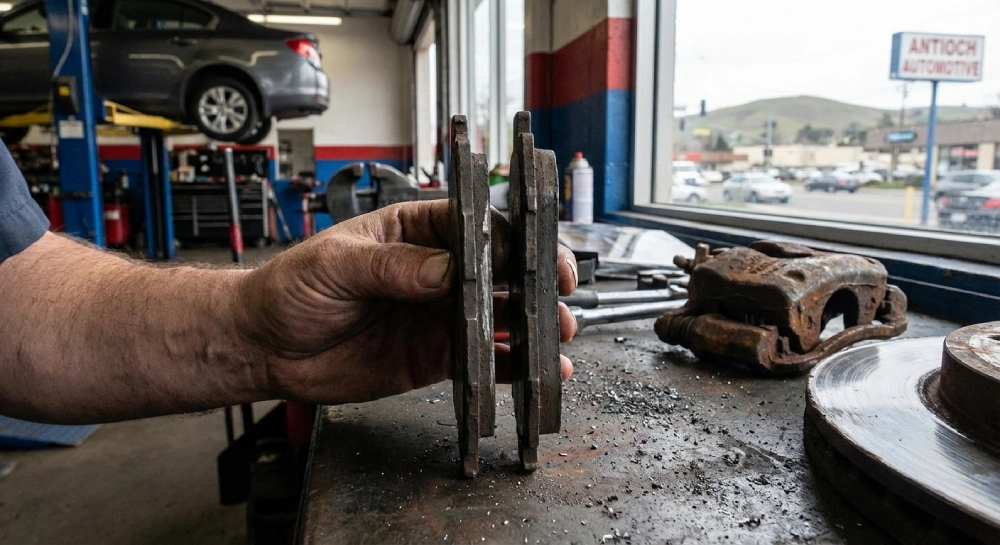
So here's what we know. Brake pads don't wear unevenly by accident. There's always a reason — whether it's how you drive, what's happening under the hood, or how long it's been since someone actually looked at your brakes. Every symptom has a source. Every pattern tells a story. And every fix starts with understanding what went wrong in the first place.
How You Drive Matters More Than You Think
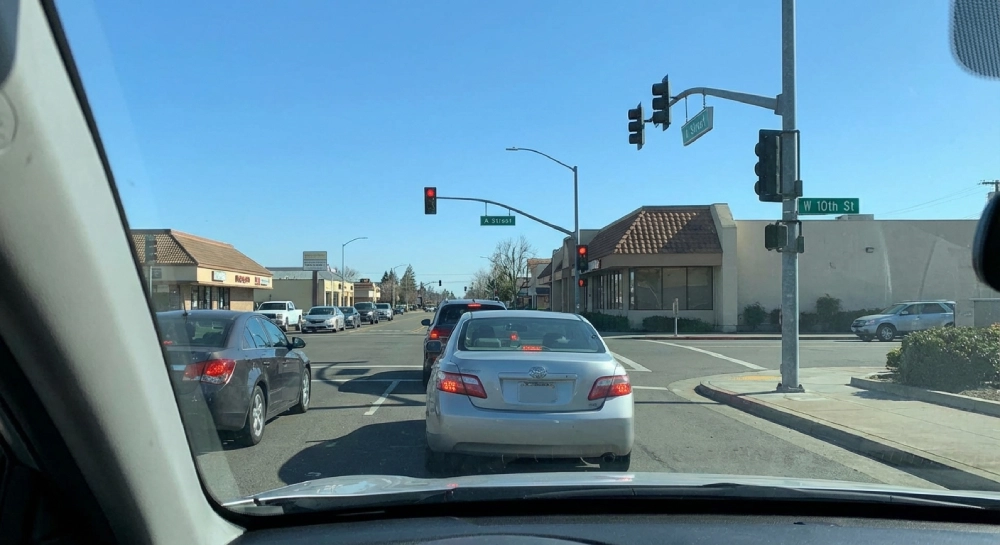
Your driving habits leave a mark on your brake pads. Literally. In Antioch, we see plenty of aggressive braking at intersections, sudden stops in congested zones, and constant pressure on the pedal during hill descents. All of that generates heat. And heat accelerates wear — especially when it's concentrated on one side or one section of the pad.
Short trips don't help either. If your brakes never get a chance to cool between stops, the pads stay hot and degrade faster. Add in the fact that Antioch drivers deal with a mix of highway merges and neighborhood crawls, and you've got a recipe for inconsistent pad contact. That inconsistency shows up as uneven wear, and it compounds over time.
Calipers That Won't Let Go
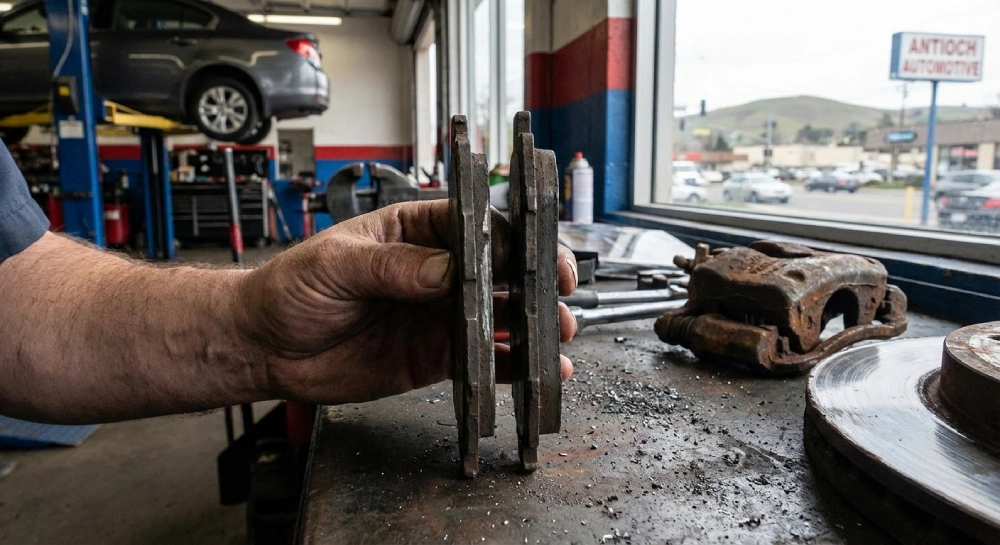
Brake calipers are supposed to squeeze the pads against the rotor when you hit the pedal — then release when you don't. But when a caliper sticks or seizes, it keeps pressure on one pad even after you've lifted your foot. That pad stays in contact with the rotor, grinding away while the other side barely touches.
Moisture and road salt make this worse. Antioch winters aren't brutal, but they're wet enough to cause corrosion on caliper slides and pins. Once those components lose their ability to move freely, uneven wear is inevitable. And if you're hearing a dragging sound or noticing your car pulling to one side, there's a good chance a stuck caliper is the culprit.
Hardware That's Past Its Prime
Brake pads don't just float in space. They're held in place by clips, shims, pins, and springs — small parts that most people never think about. But when those components wear out, rust over, or get knocked out of alignment, the pads can't sit flush against the rotor. One side makes full contact. The other barely touches. And the wear pattern reflects that imbalance.
Driving on rough or debris-covered roads accelerates hardware degradation. Antioch has its share of uneven pavement and gravel-strewn shoulders, and all of that takes a toll. Regular inspections catch these issues before they turn into bigger problems. Skipping them? That's when you end up replacing pads twice as often as you should.
Rotors That Aren't Flat Anymore
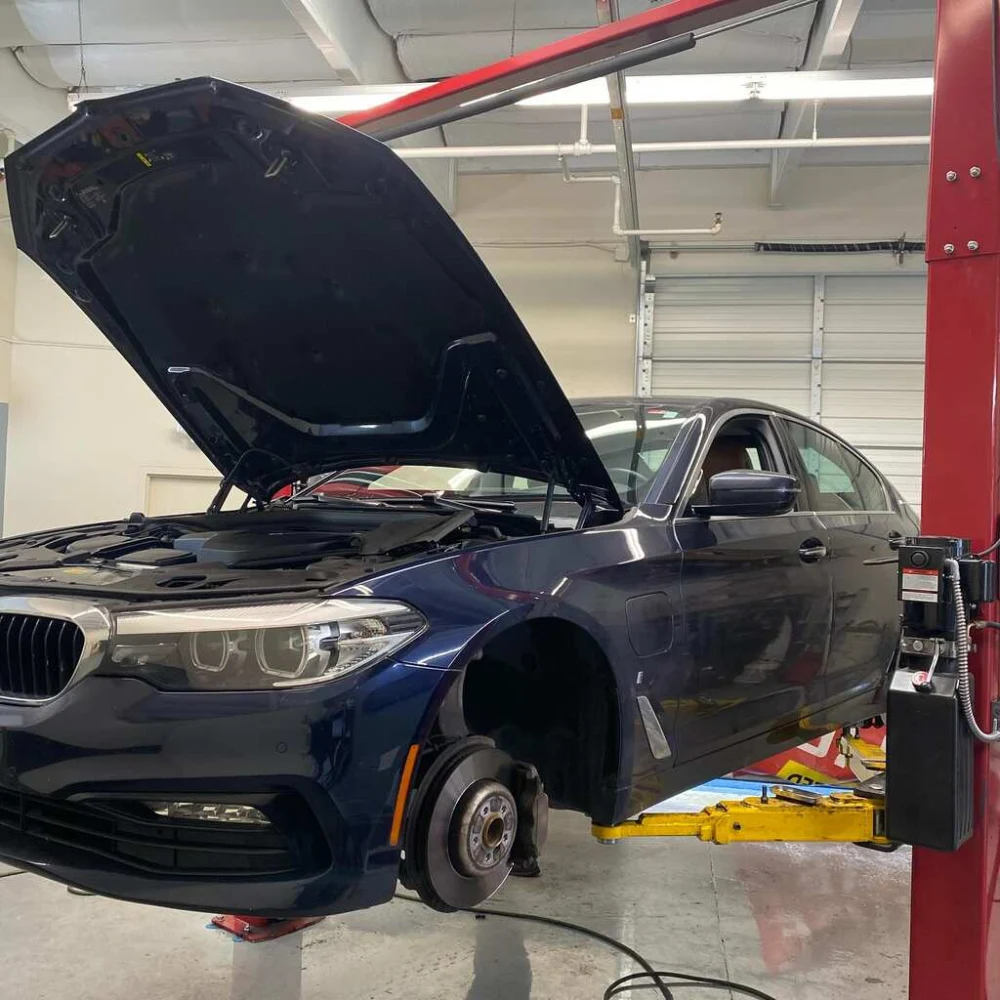
Your brake pads can only wear evenly if the surface they're pressing against is smooth and level. Warped or scored rotors create high and low spots, and the pads make inconsistent contact as a result. That leads to uneven wear, vibrations when braking, and sometimes a pulsing sensation through the pedal.
Temperature swings and road debris are common rotor killers. In Antioch, where mornings can be cool and afternoons warm, metal expands and contracts. Add in the occasional rock or chunk of asphalt kicked up from the road, and rotors take a beating. If your pads are wearing unevenly and your rotors haven't been checked in a while, that's your starting point. Professional brake rotor service and replacement can restore proper contact and prevent further pad damage.
Installation Mistakes Come Back to Haunt You
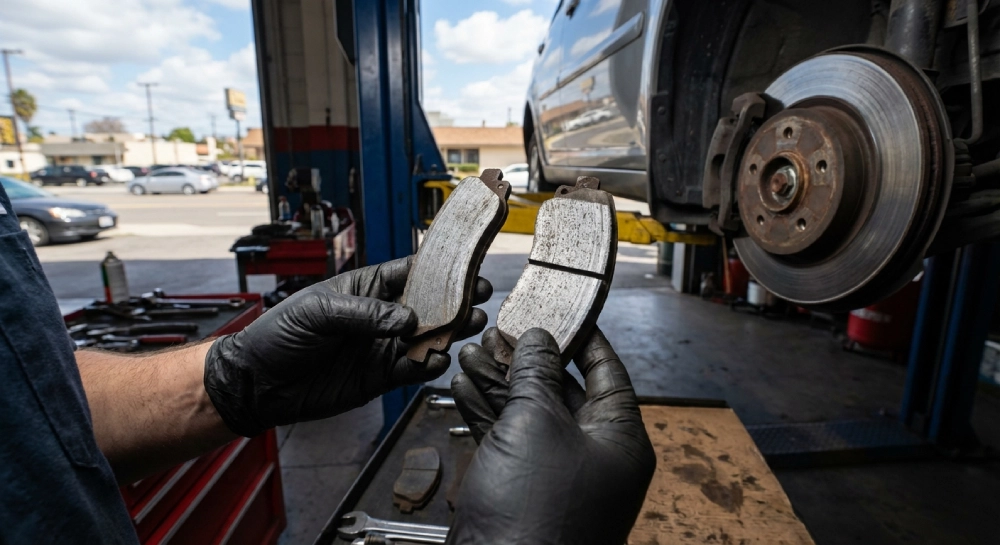
Not every brake job is done right. If pads are installed without proper alignment, or if the wrong type of pad is used for your vehicle, wear patterns go sideways fast. Misaligned pads don't make even contact with the rotor, so one edge wears down while the other stays thick.
This is why choosing a qualified mechanic matters. In Antioch, there are plenty of shops that'll swap your pads in under an hour. But speed doesn't equal quality. A proper installation includes cleaning the caliper slides, lubricating the hardware, and making sure everything sits where it's supposed to. Cut corners here, and you'll pay for it later. Our 1-hour express brake service combines speed with precision to ensure proper installation every time.
Suspension and Alignment Issues Bleed Into Braking
Your brakes don't operate in isolation. If your suspension is worn or your wheels are out of alignment, the pressure on your brake pads becomes uneven. One side of the vehicle might carry more weight during braking, causing that pad to wear faster than the other.
Potholes and rough roads make this worse. Antioch streets aren't immune to wear and tear, and hitting a deep pothole can knock your alignment off or damage suspension components. If you've noticed uneven tire wear or your car pulling to one side, there's a good chance your brakes are feeling the effects too. Alignment checks and suspension inspections should be part of your regular maintenance routine — not something you wait to do until the steering wheel shakes.
Not All Brake Pads Are Built the Same
Cheap brake pads might save you money upfront, but they often wear unevenly or fail prematurely. Low-quality materials don't distribute heat well, and they may not be compatible with your specific vehicle's braking system. That mismatch shows up as inconsistent wear, noise, and reduced stopping power.
In Antioch, where driving conditions demand reliable braking, using pads that meet or exceed manufacturer specs isn't optional. It's the baseline. Quality brake pad replacement in Antioch ensures pads last longer, perform better, and wear more evenly — which means fewer trips to the shop and better safety on the road.
What We Do to Keep Pads Wearing Right
Preventing uneven brake pad wear starts with paying attention. We schedule regular brake inspections, especially when we notice changes in braking feel, hear unusual noises, or see warning lights. We address suspension and alignment issues before they cascade into brake problems. And we make sure every brake job is done with quality parts and proper technique.
We also don't wait for the squeal. By the time you hear that sound, the damage is already done. Catching uneven wear early means replacing pads before they destroy the rotors — and that's the difference between a routine maintenance visit and a major repair bill. In Antioch, where road conditions and driving patterns put extra stress on braking systems, staying ahead of wear isn't just smart. It's necessary. Regular brake fluid changes also help maintain consistent hydraulic pressure and prevent caliper issues that contribute to uneven wear.
- Aggressive braking and frequent stops generate concentrated heat and accelerate pad degradation
- Short trips prevent brakes from cooling, compounding wear in high-pressure zones
- Hill descents and elevation changes create uneven friction patterns across the pad surface
- Stop-and-go traffic increases the number of braking cycles, shortening pad lifespan
- Wet or debris-covered roads introduce contaminants that affect pad-to-rotor contact
- Stuck calipers keep one pad pressed against the rotor even when you're not braking
- Corroded caliper slides and pins lose their ability to move freely
- Moisture and road salt accelerate corrosion on caliper components
- A dragging sound or vehicle pull to one side often signals a seized caliper
- Uneven pad wear on one wheel is a telltale sign of caliper failure
- Worn clips, shims, and pins prevent pads from sitting flush against the rotor
- Rust and debris accumulation knock hardware out of alignment
- Rough roads and gravel accelerate hardware degradation
- Skipping inspections allows small hardware issues to turn into major wear problems
- Replacing hardware during pad changes ensures even contact and longer pad life
- Warped or scored rotors create high and low spots that cause inconsistent pad contact
- Temperature fluctuations cause metal expansion and contraction, leading to rotor warping
- Road debris and impacts can score or damage rotor surfaces
- Vibrations or pulsing through the brake pedal indicate rotor issues
- Checking rotors during pad inspections prevents uneven wear from progressing
- Misaligned pads during installation lead to uneven contact with the rotor
- Using the wrong pad type for your vehicle causes premature or inconsistent wear
- Skipping caliper slide cleaning and lubrication compromises pad movement
- Rushed brake jobs often overlook critical alignment and hardware steps
- Choosing a qualified mechanic ensures proper installation and long-term pad performance
Uneven brake pad wear isn't random. It's the result of specific conditions, habits, and mechanical issues that add up over time. In Antioch, where driving demands are high and road conditions vary, staying on top of brake maintenance isn't just about avoiding repairs. It's about keeping your vehicle safe, responsive, and ready for whatever the road throws at you. We don't wait for problems to announce themselves. We catch them early, fix them right, and keep our brakes working the way they're supposed to.
Let's Keep Your Brakes Safe and Reliable
We know how important it is to trust your brakes every time you hit the road in Antioch. If you've noticed uneven wear or just want peace of mind, let's get ahead of any issues together. Give us a call at 925-428-1213 or Schedule An Appointment so we can make sure your brake pads are wearing right and your car is ready for whatever comes next.
‹ Back
Recent Posts
-
-
What Causes Brake Pads in Antioch to Wear Unevenly?
May 18, 2026
-
-
Do Short, Frequent Trips Wear Brakes Faster in Antioch?
April 20, 2026
-
Why Your Brake Pedal in Antioch Might Feel Soft
April 6, 2026