Blog
Is Your Brake Pedal in Antioch Feeling Lower Than Normal?
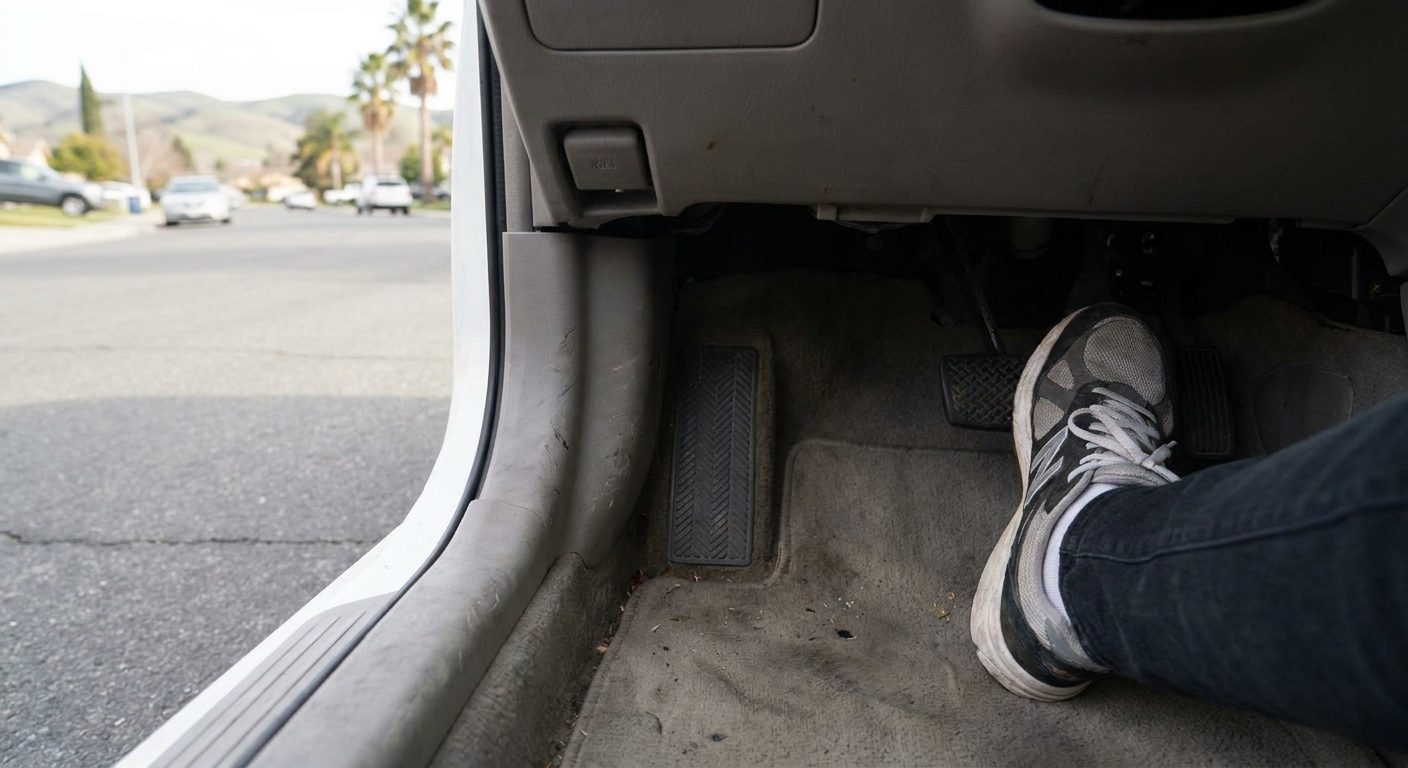
Most drivers in Antioch notice something's off when the pedal drops lower than it should. That sinking feeling isn't just uncomfortable — it's a warning. Your braking system relies on precision, and when that pedal travels further than normal before anything happens, you're dealing with a problem that won't fix itself. The distance between your foot and full braking power matters more than you think.
So here's what we know. If your pedal's dropping, something in the hydraulic chain has weakened. Air where there shouldn't be any. Fluid leaking where it should stay sealed. Components wearing past their useful life. Whatever the cause, the outcome is the same — longer stopping distances and a system that's one step closer to failing when you need it most.
When the Pedal Drops Lower Than It Should
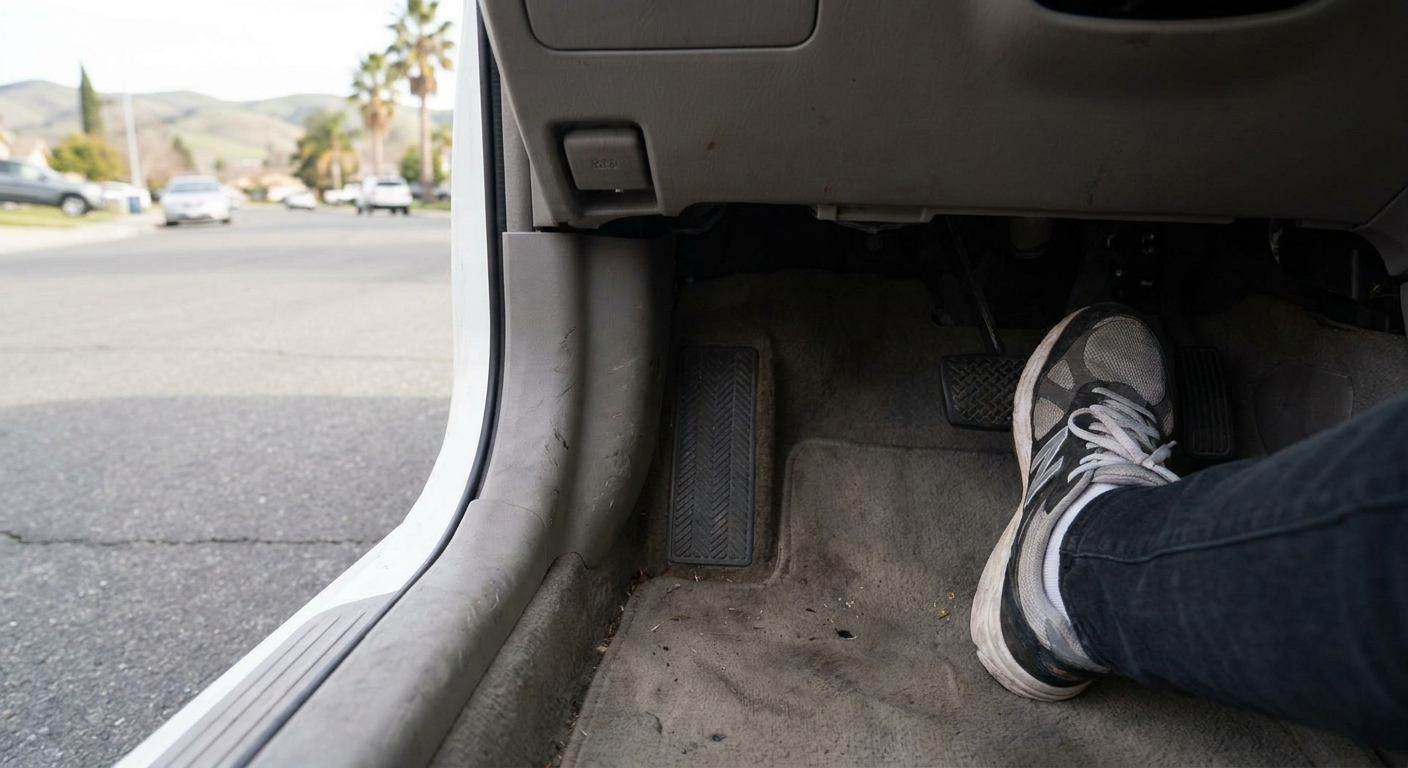
A low brake pedal means you're pushing further down before the brakes engage. Sometimes it feels spongy. Other times it just sinks toward the floor with less resistance than you remember. Either way, it's not normal — and it's not safe. Your muscle memory expects a certain response, and when that changes, your reaction time suffers.
We see this happen for a handful of reasons, and most of them tie back to hydraulic pressure or component wear. The system is designed to transfer force instantly. When something disrupts that transfer, the pedal gives before the brakes do.
What Causes the Pedal to Sink
Air in the brake lines is one of the most common culprits. Your braking system uses incompressible fluid to move force from pedal to caliper. When air sneaks in, it compresses under pressure — and that compression translates to a softer, lower pedal. It's not a minor inconvenience. It's a mechanical breakdown.
Brake fluid leaks create the same problem, but for a different reason. If the fluid level drops, there's not enough hydraulic pressure to push the system properly. You'll see the pedal sink, and if the leak's bad enough, you'll lose braking power altogether. That's not something you want to discover at a stoplight.
- Worn brake pads increase the distance the caliper has to travel, which makes the pedal drop further before contact happens
- Master cylinder failure means the component generating hydraulic pressure isn't doing its job, and the pedal reflects that immediately
- Drum brake adjustment issues in the rear can throw off the entire system, especially if the shoes aren't making proper contact
- Contaminated brake fluid can cause internal corrosion and seal failure, leading to leaks and air infiltration over time
- Caliper piston problems can prevent proper retraction or extension, creating inconsistent pedal height and feel
Why Waiting Makes Everything Worse
Driving around Antioch with a compromised brake pedal isn't just risky — it's expensive. The longer you wait, the more damage accumulates. A small leak becomes a major failure. Air in the lines spreads. Worn pads start grinding into rotors. What could've been a straightforward fix turns into a full system overhaul.
And then there's the safety piece. When your stopping distance increases, your margin for error shrinks. Heavy traffic, quick stops, wet roads — any of those situations can expose how vulnerable you are when your brakes aren't responding the way they should.
Steps You Should Take Right Now
First, check your brake fluid reservoir. Pop the hood and look at the level. If it's low, that's a red flag. Topping it off might get you to the shop, but it won't solve the underlying issue. Low fluid usually means there's a leak somewhere, and that needs professional attention.
Next, look under the vehicle. Check near the wheels and around the master cylinder for any signs of fluid. Brake fluid is slippery and leaves a distinct residue. If you see it, you've found your leak — and you need to act fast.
- Pump the brake pedal a few times with the engine off to see if it firms up or stays spongy
- Listen for any unusual hissing or air sounds when you press the pedal, which can indicate vacuum or seal issues
- Test the pedal with the engine running to compare how it feels under normal operating conditions
- Schedule an inspection with a qualified brake technician in Antioch who can diagnose the root cause
- Avoid hard braking or highway speeds until you've confirmed the system is safe
Keeping Your Brakes From Failing in the First Place
Regular maintenance is the difference between catching a problem early and dealing with a roadside emergency. Brake fluid should be flushed and replaced according to your vehicle's service schedule — not just when it looks dirty. Moisture buildup degrades the fluid's performance and eats away at internal components.
Annual brake inspections give you visibility into pad thickness, rotor condition, and fluid quality. If you drive in stop-and-go traffic or hilly terrain, those inspections should happen more often. Wear accelerates under those conditions, and the sooner you spot it, the cheaper the fix.
- Replace brake pads before they hit the wear indicators to avoid rotor damage
- Flush brake fluid every two to three years to prevent moisture contamination
- Inspect brake lines and hoses for cracks, bulges, or corrosion during every service visit
- Address any pedal feel changes immediately instead of waiting for them to worsen
- Use quality replacement parts that meet or exceed OEM specifications
What a Mechanic Will Look For
When you bring your vehicle in, a good technician will start with a full system inspection. They'll check fluid levels, test for leaks, measure brake pad thickness, and inspect the master cylinder. If there's air in the lines, they'll bleed the system. If there's a leak, they'll trace it to the source and replace the damaged component.
They'll also test the pedal feel under different conditions — engine on, engine off, with varying amounts of pressure. This helps isolate whether the issue is hydraulic, mechanical, or related to the power brake booster. The goal is to restore full braking performance, not just patch the symptom. Many shops across nearby areas including Brentwood, Concord, Pittsburg, and Walnut Creek offer comprehensive brake services to address these issues.
Don't Gamble With Your Stopping Power
A low brake pedal isn't something you get used to. It's not a quirk or a minor annoyance. It's a clear signal that your braking system is compromised, and every mile you drive like that increases the risk. Whether it's air, fluid loss, or worn components, the fix is straightforward — but only if you address it before the problem escalates. Get it checked, get it fixed, and get back to driving with confidence.
Let’s Get Your Brakes Back to Safe
We know how important it is to feel confident every time you hit the road in Antioch. If your brake pedal feels off, don’t wait for it to get worse—let’s tackle the issue together and keep your car stopping safely. Give us a call at 925-428-1213 or schedule an appointment so we can get you back on the road with peace of mind.
‹ Back
Recent Posts
-
-
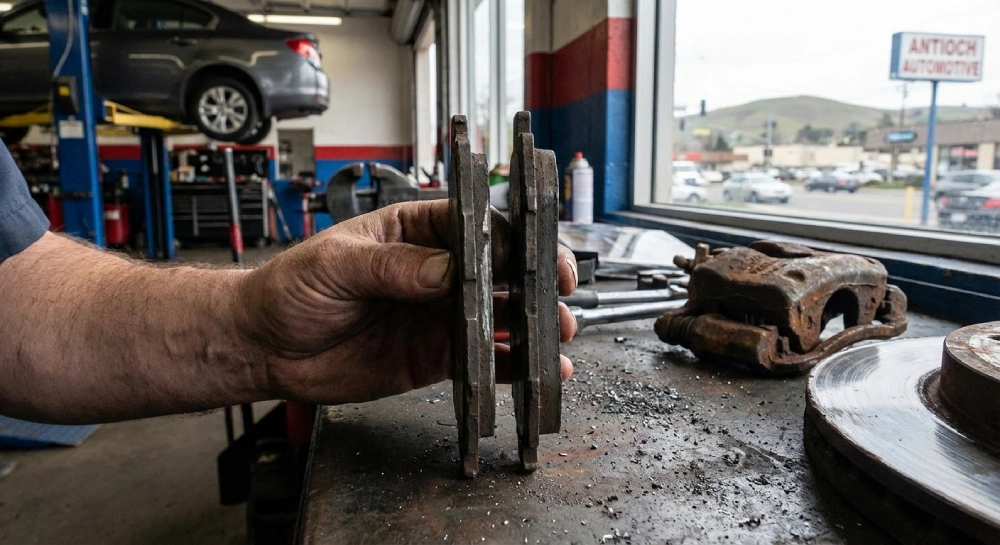
What Causes Brake Pads in Antioch to Wear Unevenly?
May 18, 2026
-
-
Do Short, Frequent Trips Wear Brakes Faster in Antioch?
April 20, 2026
-
Why Your Brake Pedal in Antioch Might Feel Soft
April 6, 2026