Blog
Why Calipers Fail and How Antioch Drivers Can Prevent It
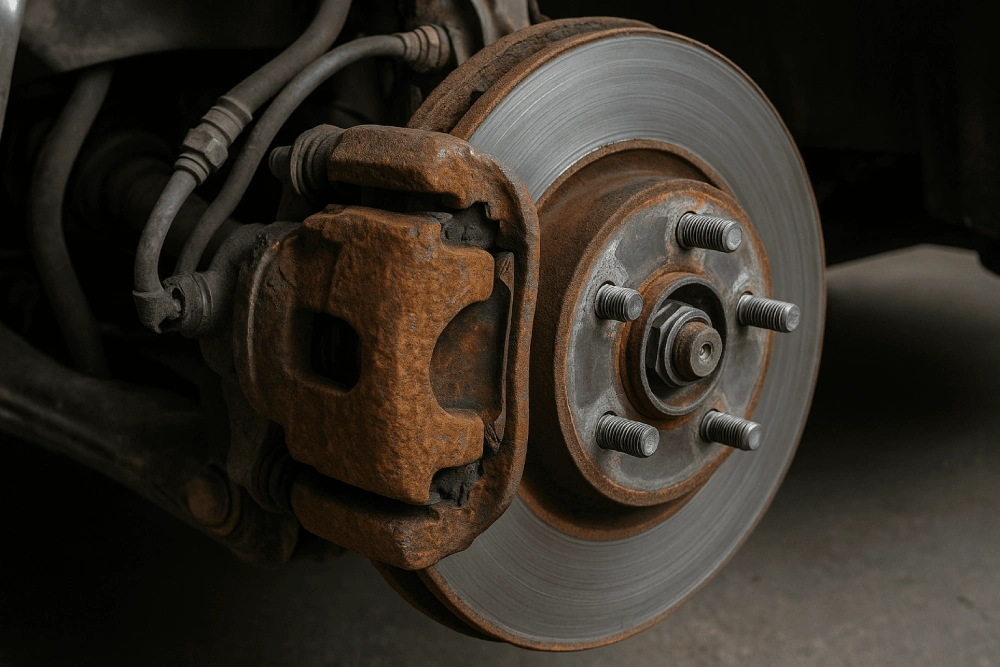
Brake calipers don’t last forever. When they start to fail, you’ll notice it. Maybe the pedal feels strange, the car pulls, or you hear grinding. Calipers handle the pressure every time you stop. If they go bad, stopping gets risky fast. That’s a problem no one wants on the road.
What Wears Out Calipers
Everyday driving in Antioch throws a lot at your brakes. Calipers face constant heat, road grime, and moisture. Over time, these forces break down even the best parts. Here’s what really takes them out:
- Salt and water from wet roads eat away at metal surfaces. Rust forms. Pistons stick. Braking gets unpredictable.
- Rubber seals crack and split. Dirt and grit sneak inside. Pistons jam. Fluid leaks out.
- Misaligned hardware causes pads to wear unevenly. One side grabs harder. The other side drags. Calipers work overtime and wear out early.
- Old, low-quality brake fluid turns acidic. Seals swell and break down. Internal parts corrode.
- Letting a car sit for weeks locks pistons in place. The next drive feels rough. Sometimes, the caliper won’t release at all.
Small brake problems grow into major headaches. Every mile adds wear. Skip your brake fluid checks or brush off those squeaks, and you're setting yourself up for trouble. Smart drivers fix small issues fast - it saves money and prevents roadside disasters.
Clear Signs Calipers Are in Trouble
Calipers rarely fail in silence. The car gives you warnings. If you know what to look for, a hard pull to one side when braking usually means a piston is stuck. That wheel drags, and the car veers. Squealing or grinding sounds signal worn pads or metal-on-metal contact. Ignore it, and the rotor gets chewed up fast. Uneven brake pad wear points straight to caliper trouble. One pad thins out while the other looks new. That’s not normal.
Sometimes, the warning is even more obvious. Smoke or a burning smell from a wheel means a caliper is locked up. The brake stays on, even when your foot is off the pedal. The rotor overheats. The wheel can get hot enough to burn your hand. Keep driving, and you risk total brake failure. These aren’t problems to put off. They demand action right away.
Why Brake Fluid Matters
Brake fluid isn’t just a detail. It’s the lifeblood of the system. Fresh fluid keeps everything moving smoothly. Old fluid absorbs water. Inside the brake calipers, that water turns to rust. Seals swell and crack. Pistons seize. The pedal feels soft, and stopping distances grow. Regular fluid changes keep corrosion out and performance up. Antioch’s mix of city traffic and open roads puts extra stress on brakes. Clean fluid makes a difference you can feel every time you stop.
Heat and Corrosion Take Their Toll
Antioch drivers face unique brake challenges. Daily commutes mean constant brake use. Hills test your system's limits. Heat builds up fast, and cheap parts fail under pressure. Quality brake parts handle the stress better - they resist heat damage and fight off rust. Good seals block dirt and road salt. Regular cleaning prevents small issues from growing. Smart drivers pick better parts and stay on top of maintenance. Their brakes work better and last longer.
When to Repair and When to Replace
Not every caliper problem needs a full replacement. Some issues respond to an experienced touch. Others call for new hardware. Here’s what separates a quick fix from a bigger job:
- Minor sticking often clears up with cleaning and fresh lubricant. The caliper moves freely again.
- Cracked or torn seals mean trouble. Fluid leaks out. Dirt gets in. Replacement is the only safe move.
- Uneven pad wear usually points to alignment or mounting problems. Fix the root cause, or the new pads will wear out just as fast.
- Pistons that won’t retract or move smoothly signal deeper damage. Full caliper replacement restores safe, even braking.
Sometimes, a quick repair gets you rolling again. But when the core parts are worn or damaged, replacement is the smart call. Trust our experienced brake technicians to spot the difference. We know when a caliper can be saved and when it’s time for a new one.
Keeping Calipers Working Longer
Smart drivers don’t wait for a breakdown. They keep calipers in top shape with a few simple habits:
- Schedule regular brake inspections. Catch problems before they get expensive.
- Change brake fluid on time. Keep rust and moisture out of the system.
- Use quality parts. Cheap hardware fails early and costs more in the long run.
- Wash undercarriages after driving on salted roads. Remove grime before it eats away at metal.
- Drive regularly. Letting a car sit for weeks lets pistons seize and seals dry out.
These steps don’t take much time, but they pay off with safer stops and fewer surprises. Calipers that get regular care last longer and work better, no matter how tough the road gets.
Professional Brake Service in Antioch
At Brake Pro's, we deliver professional diagnostic and repair services that keep your calipers working properly. Our certified technicians use advanced testing equipment to pinpoint issues fast. Call us at 925-428-1213 or contact us to schedule your brake system inspection today.
‹ Back
Recent Posts
-
-
What Causes Brake Pads in Antioch to Wear Unevenly?
May 18, 2026
-
-
Do Short, Frequent Trips Wear Brakes Faster in Antioch?
April 20, 2026
-
Why Your Brake Pedal in Antioch Might Feel Soft
April 6, 2026