Blog
Why Your Brakes Might Shake When You Stop
Braking shouldn't make your steering wheel move. When it does, something's broken. The shake might creep in slowly or slam you right away. Doesn't matter—it's not going anywhere on its own. You'll feel it most when slowing down from speed or rolling up to a red light. Wait too long, and what starts as a steering wheel problem becomes a whole-car problem. Fix the source, and you get predictable, stable stops again.
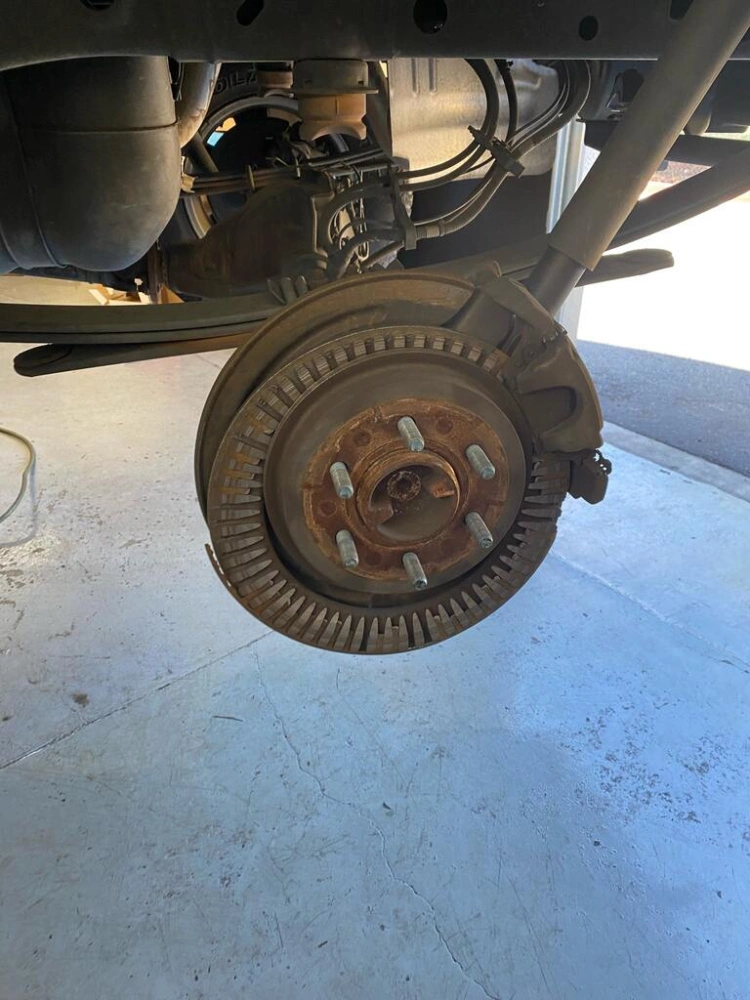
- Shaking often starts subtly and grows more intense with each drive.
- Vibration is most obvious when braking from highway speeds or coming to a stop at a light.
- Ignoring the shake lets the problem spread. What starts in the steering wheel can end up affecting the whole car.
- Brake pulsation repair stops the shaking and restores control.
- Professional brake inspection pinpoints the exact cause, saving time and money.
Steering wheel shake usually points to the brakes or suspension. Sometimes both are involved. A proper inspection by someone local catches the issue before it turns expensive. Smooth stops come back. So does your confidence behind the wheel.
Heat Spots on Rotors
Brakes work hard. Every stop generates heat. Heavy traffic, steep hills, panic stops—they all push rotors past their comfort zone. Eventually, small hardened patches form on the surface. These heat spots aren't cosmetic. They create an uneven texture that makes pads catch and release as you brake. The wheel shakes. The pedal pulses. You feel it every time you slow down.
- Heat spots leave the rotor surface rough and patchy.
- Brakes feel jumpy, sometimes even grabby, instead of smooth.
- Rotors with heat spots often need resurfacing or full replacement.
- Letting heat spots go unchecked leads to warped rotors and severe brake shake.
- Consistent brake service helps prevent heat damage before it starts.
Heat spots don't disappear. Once they're baked in, you have to deal with them. Notice pulsing when you brake? Get the rotors inspected now. Catching it early can save the rotor and keep stops predictable. For more on protecting your brakes, check out brake maintenance tips and why a brake fluid flush matters for preventing overheating.
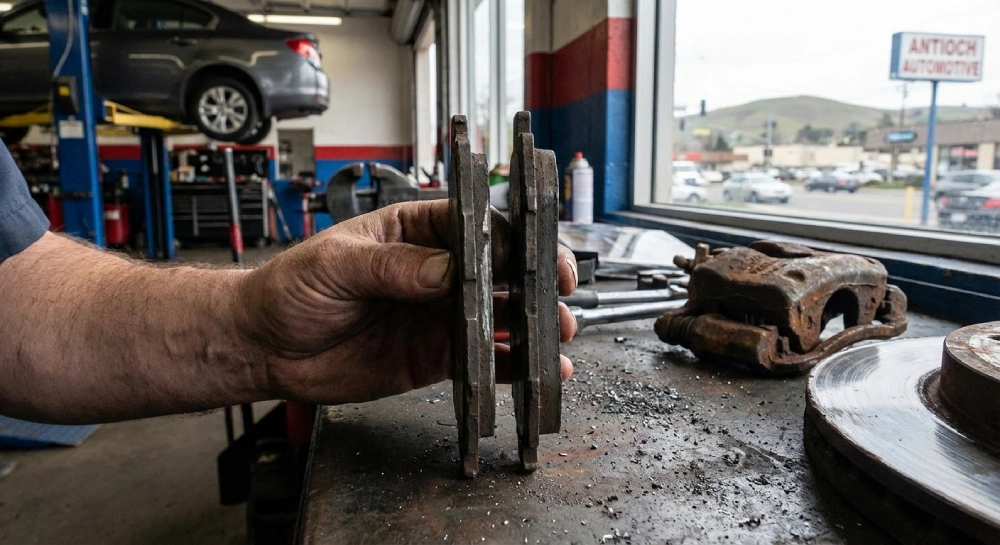
Uneven Pad Wear
Brake pads wear unevenly. That's just reality. One side thins faster, and you won't know until something feels wrong. The shake starts. The pedal goes soft. Calipers seize up, hardware fails, or maintenance gets skipped—doesn't matter which. In Antioch, shops see this exact problem daily.
- Uneven pads can grind into rotors, causing metal-on-metal contact.
- Stopping power drops, and stopping distance grows.
- Regular brake inspections catch uneven wear before it gets expensive.
- Replacing pads early protects the entire brake system.
- Quality parts and careful installation prevent uneven wear from returning.
Technicians look for uneven wear every time they inspect brakes. Catching it before it spreads saves money and keeps you safe. For details on what happens during service, check out how brake repair works and what a professional brake inspection covers.
Suspension Problems Add to the Shake
Brakes take the blame when things go wrong. But suspension? That's what turns a minor issue into a nightmare. Ball joints wear out. Bushings crack. Tie rods loosen. These parts hold your car together. When they fail, everything feels wrong. The car wobbles. Stops feel sketchy. Add bad rotors to the mix, and you've got a disaster. The shake gets worse. Control disappears.
- Loose suspension parts amplify brake vibration.
- Worn shocks or struts make it harder for the car to stay planted during stops.
- Suspension checks are a key part of complete brake service.
- Fixing suspension issues improves comfort and safety in every drive.
- Neglecting suspension leads to uneven tire wear and more brake shake.
Pairing suspension checks with brake work keeps your car stable through every bump and stop. For more on maintaining control, see how suspension repair in Antioch fixes steering wheel shake and improves how your car handles.
Tire Problems Make Brakes Feel Worse
Tires don't get attention until they cause problems. A wheel out of balance, tread worn down unevenly, a rim that got bent—any one of these mimics brake trouble. Antioch roads make it worse. Cracked pavement and potholes turn small tire defects into obvious shakes. Tracking down a vibration? Check the tires first. More often than not, the brakes aren't the issue.
- Unbalanced tires cause vibration at certain speeds, especially when braking.
- Worn or uneven tread makes it harder for brakes to grip the road.
- Bent wheels can feel just like warped rotors.
- Regular tire rotation and balancing keep the ride smooth and predictable.
- Technicians always check tires during a full brake inspection.
Brakes and tires depend on each other. When one goes bad, the other pays the price. Can't recall your last tire check? Get one scheduled next visit. For tips on tire care, see how tire rotation and wheel alignment keep your car stable and comfortable on the road.
When Shaking Crosses the Line
Brake shake isn't just annoying. It's dangerous. Hard shaking makes controlling the car nearly impossible, especially in a panic stop. Antioch traffic doesn't give you room to guess. If the shaking gets worse or the car pulls to one side, stop waiting. Small problems become deadly ones fast. Quick action keeps you and everyone else safe, no matter what happens on the road.
Request brake service in Antioch
Ready to stop the shaking and get your brakes back in shape? Call Brake Pro's at 925-428-1213 or contact us to schedule your brake inspection and repair today. Our team is here to help you fix brake shake, steering wheel vibration, and any other brake problems in Antioch, fast.
‹ Back
Recent Posts
-
-
What Causes Brake Pads in Antioch to Wear Unevenly?
May 18, 2026
-
-
Do Short, Frequent Trips Wear Brakes Faster in Antioch?
April 20, 2026
-
Why Your Brake Pedal in Antioch Might Feel Soft
April 6, 2026